The Rise of the VTM: How Virtual Transcript Managers Are Reshaping Court Reporting
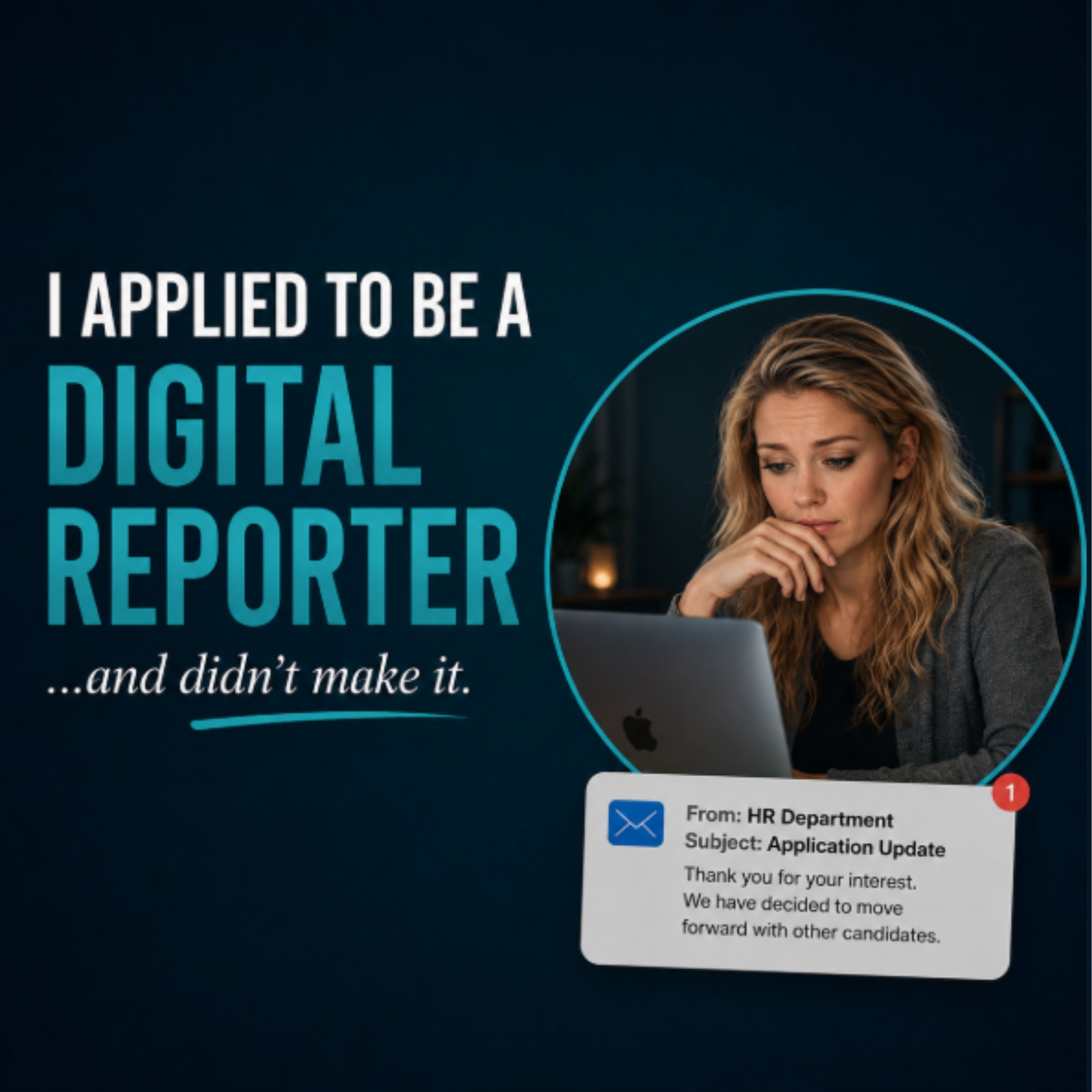
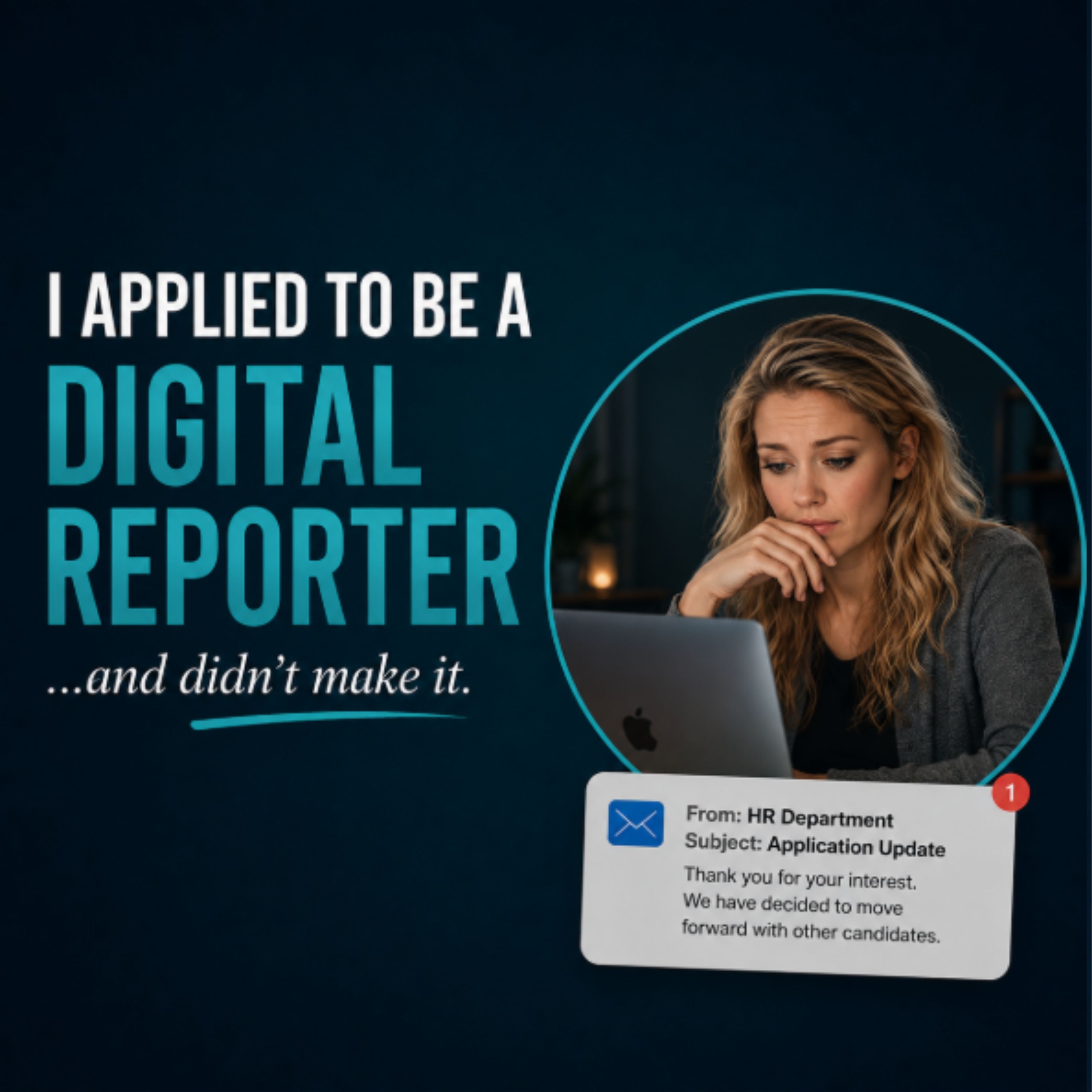
Welcome back to the blog! In our latest podcast episode, #89, titled "I Applied to Be a Digital Reporter," I delved into some deeply personal reflections on my career as a court reporter. It was an episode born from a period of intense introspection, where I questioned almost everything about this demanding profession. One of the most significant shifts in my perspective came from training a new Virtual Transcript Manager, or VTM. This experience has fundamentally altered how I view the court reporting world and our daily workflows. In this blog post, I want to expand on those ideas, exploring the profound impact VTMs are having and how they are reshaping the landscape of court reporting for the better, while also celebrating the irreplaceable human element that lies at its heart. You can catch up on the full episode and all its candid insights right here: #89 - I Applied to Be a Digital Reporter… and Didn't Make It.
The Evolving Landscape of Court Reporting
The world of court reporting, like so many other professions, is not static. It's a field steeped in tradition, relying on precise skills and technological advancements that have evolved over decades. From the early days of manual stenography to the advent of digital recorders and now sophisticated software, the tools of our trade have continuously transformed. Yet, despite these technological leaps, the core mission remains the same: to create an accurate and verbatim record of legal proceedings. However, the speed at which these changes are occurring, particularly with the integration of AI and automated processes, has prompted a lot of us to pause and consider where we fit into this evolving picture. Are we merely operators of machines, or is there something more fundamental and irreplaceable about the human touch in this crucial legal function? This question has been at the forefront of my mind, leading to the reflections shared in episode 89 and explored further here.
For years, the image of a court reporter has been one of intense focus, rapid finger movements on a stenotype machine, and the quiet hum of recording equipment. It's a profession that demands an incredible amount of skill, concentration, and dedication. The pressure to produce accurate transcripts, often under tight deadlines, is immense. This pressure can take a toll, both physically and mentally. We’ve all heard the stories, and perhaps experienced them ourselves, of reporters struggling with burnout, facing the constant challenge of balancing demanding work schedules with personal lives. The introduction of new technologies, while promising efficiency, can sometimes exacerbate these anxieties if not implemented thoughtfully. It’s this complex interplay of tradition, technology, and the human experience that I want to unpack today.
My Journey: "From Scattered to CEO"
My own path through the court reporting profession has been anything but linear. Like many, I started with a passion for the craft, a desire to be a vital part of the justice system. However, the reality of the daily grind—the constant transcription work, the administrative burdens, the tight deadlines—often felt overwhelming. There were moments, many moments, where I questioned if I was cut out for it, if the sacrifices were worth it. I remember vividly the internal battles, the late nights spent trying to perfect a transcript, the feeling of being stretched too thin. These experiences are not unique to me; they are shared by countless professionals in our field.
It was this very struggle, this deep-seated feeling of being overwhelmed, that spurred me to seek out new solutions and ultimately to re-evaluate my own role and the broader industry. As a CEO now, my perspective has shifted from solely focusing on my individual output to understanding the systemic challenges and opportunities within the profession. This transition allowed me to approach problems with a broader lens, seeking ways to improve not just my own workflow, but the workflow for many others. It’s this journey, from the trenches of transcription to leading an organization, that has given me a unique vantage point on the transformative potential of tools like Virtual Transcript Managers. I’ve experienced the difficulties firsthand, and now I’m looking for ways to alleviate them for others.
The decision to apply for a digital reporting position, as detailed in episode 89, was a direct result of this ongoing exploration. I wanted to understand the alternative paths, the different technological approaches being adopted. While the outcome of that application wasn't what I expected, the process itself was incredibly insightful. It forced me to confront my own assumptions and to really dig deep into what makes a court reporter truly valuable. The experience, while initially disheartening, ultimately clarified my thinking and reinforced my belief in the essential human element of our profession, even as we embrace new technologies.
The VTM Revolution: How Virtual Transcript Managers Change the Game
This brings us to the heart of the matter: the Virtual Transcript Manager, or VTM. For those unfamiliar, a VTM is essentially an AI-powered tool designed to assist in the transcription process. It's not about replacing the reporter, but about augmenting their capabilities and streamlining the often tedious aspects of transcript production. Think of it as a highly intelligent assistant, capable of handling a significant portion of the initial heavy lifting involved in transforming raw audio into a polished document.
The impact of a VTM on a court reporter's daily workflow is nothing short of revolutionary. Previously, a reporter would finish taking testimony, and then the laborious process of transcribing, editing, formatting, and finalizing the transcript would begin. This often involved significant chunks of time dedicated to listening back to audio, correcting machine errors, and ensuring all the stylistic and formatting requirements were met. With a VTM, this process is fundamentally altered. The VTM can ingest the audio from a deposition or hearing and, using advanced AI, generate a draft transcript. This draft, while not perfect, provides a solid foundation, significantly reducing the amount of manual transcription required. The reporter can then focus their expertise on refining this draft, ensuring accuracy, clarity, and adherence to legal standards. This shift allows reporters to allocate their valuable time and cognitive energy to the aspects of their job that truly require human intelligence and judgment.
Furthermore, VTMs can automate many of the administrative tasks that often bog down reporters. This includes things like indexing, timestamping, and even basic formatting. By taking these repetitive tasks off the reporter’s plate, VTMs free up their time and mental bandwidth. This is not just about efficiency; it's about reclaiming time and reducing the cognitive load that contributes to burnout. It allows reporters to be more present during proceedings, to focus on the nuances of the spoken word, and to deliver an even higher quality product.
Juggling the Demands: Transcript Production, Deadlines, and Life Balance
One of the most persistent challenges in court reporting has always been the delicate balancing act between producing high-quality transcripts, meeting demanding deadlines, and maintaining a semblance of a personal life. The reality is that court reporting is not a 9-to-5 job. Hearings can run late, depositions can be rescheduled, and the demand for transcripts often dictates an immediate turnaround. This constant pressure can lead to an unhealthy work-life integration, where professional obligations spill over into personal time, eroding the boundaries necessary for well-being.
The introduction of VTMs offers a tangible solution to this perpetual juggling act. By significantly accelerating the initial stages of transcript production, VTMs can help reporters meet deadlines more comfortably and with less stress. Imagine finishing a deposition at 5 PM and having a nearly complete draft transcript ready for review within a few hours, rather than facing a full day of transcription the next day. This not only allows for faster delivery to clients but also provides reporters with much-needed breathing room. They can dedicate their review time to ensuring the accuracy and completeness of the record, rather than racing against the clock to simply get a draft completed. This increased efficiency translates directly into improved life balance. Reporters can potentially reclaim evenings and weekends, reduce overtime, and spend more time with family and friends, pursuing hobbies, or simply resting and recharging. This is a monumental shift from the days where the specter of unfinished transcripts loomed large over every personal commitment.
Moreover, the ability to offload some of the more tedious aspects of transcript production to a VTM can alleviate the mental fatigue that often accompanies the job. Instead of spending hours meticulously correcting every minor error, reporters can focus on the more nuanced aspects of language and legal terminology, tasks that require their specialized expertise. This not only makes the work more engaging but also reduces the likelihood of errors stemming from exhaustion. The VTM acts as a powerful ally, not a competitor, in the fight for a sustainable and fulfilling career in court reporting.
Beyond the Machine: The Human Element in Court Reporting
While the technological advancements brought about by VTMs are undeniably impressive, it is crucial to reiterate that the human element remains the absolute cornerstone of court reporting. A VTM, no matter how sophisticated, is a tool. It can process audio, identify patterns, and generate text, but it cannot replicate the nuanced understanding, the critical thinking, and the ethical judgment of a trained human reporter.
Think about the subtle cues in a courtroom: the hesitation in a witness's voice, the inflection that changes the meaning of a word, the unspoken tension between parties. These are elements that a human reporter instinctively picks up on and accurately reflects in the transcript. A machine might transcribe the words, but it cannot truly understand the context or the emotional weight behind them. The reporter’s role goes far beyond mere transcription; it involves active listening, discerning intent, and ensuring that the record captures not just what was said, but how it was said, and what it truly signifies.
Furthermore, the integrity of the legal system relies heavily on the trustworthiness of the court record. This trust is built upon the reporter's commitment to accuracy, impartiality, and professionalism. These are qualities that are deeply ingrained in human reporters through years of training, experience, and adherence to ethical codes. A VTM can be a powerful assistant in achieving that accuracy, but it cannot replace the reporter's responsibility to uphold it. The reporter is the ultimate guardian of the record, the one who ensures that justice is served by preserving an unassailable account of the proceedings. The human reporter brings an invaluable layer of judgment, adaptability, and understanding that no AI can currently replicate. They are the ultimate arbiters of what truly matters in the spoken word.
Burnout in the Profession: Unpacking the Hidden Causes
Burnout is a pervasive issue in the court reporting profession, and while the demanding nature of the work is often cited as the primary culprit, there are often deeper, more insidious causes at play. For years, reporters have grappled with the relentless pressure of transcript production, the administrative overhead, and the feeling of being constantly "on call." However, the advent of new technologies and the ongoing discussions around them have brought to light some often-overlooked factors that contribute to this professional fatigue.
One of the most significant hidden causes of burnout is the sense of being undervalued and under-resourced. For too long, many reporters have been expected to produce a high volume of complex work with limited technological support. The burden of acquiring and mastering new software, managing IT issues, and constantly adapting to evolving demands often falls squarely on the individual reporter. This can lead to a feeling of isolation and a lack of support, exacerbating the stress of the job. When reporters are expected to be tech-savvy experts, administrative wizards, and highly skilled verbatim reporters all at once, without adequate tools or support, it’s a recipe for exhaustion.
Another contributing factor is the feeling of being dispensable. As technology advances, there's a natural anxiety about job security and the potential for automation to replace human roles. While VTMs are designed to assist, the perception that the "machine" could eventually do the job can create a sense of unease and devalue the reporter’s unique skills. This anxiety, coupled with the already significant pressures of the job, can lead to a profound sense of burnout. It's essential that we, as a profession, acknowledge these underlying causes and actively work to address them through better support systems, clearer communication about the role of technology, and a renewed emphasis on the irreplaceable value of the human reporter. The integration of VTMs, when approached correctly, can actually alleviate some of these pressures by providing much-needed efficiency and support, allowing reporters to focus on their core competencies and feel more valued.
Looking Ahead: The Future of Court Reporting with VTMs
The integration of Virtual Transcript Managers signals a significant evolution in the court reporting profession, and the future looks not only different but, in many ways, brighter. We are moving towards a model where technology and human expertise work in tandem, creating a more efficient, sustainable, and fulfilling career path for court reporters. VTMs are not a threat to the profession; they are a powerful tool that can elevate it.
Imagine a future where reporters are empowered with cutting-edge technology that automates the mundane, allowing them to dedicate their time to the most critical aspects of their work: ensuring accuracy, providing context, and delivering exceptional service. This future is one where the skills of a court reporter are amplified, not diminished. It's a future where the focus shifts from the mechanics of transcription to the artistry of capturing the spoken word with unparalleled precision and understanding.
The benefits extend beyond the individual reporter. For the legal system as a whole, the widespread adoption of VTMs promises faster transcript turnaround times, potentially reducing case delays and improving the overall efficiency of legal proceedings. Clients will benefit from quicker access to crucial documentation, and courts will operate with greater fluidity. Furthermore, by making the profession more sustainable and less prone to burnout, VTMs can help attract and retain talented individuals, ensuring a robust and skilled workforce for years to come. This is a future where the human reporter remains central, but is armed with the most advanced tools available to perform their vital role with even greater efficacy and confidence.
A Musical Interlude: 'We Preserve the Testimony'
As a creative outlet and a way to process my thoughts and experiences within this incredible profession, I’ve been experimenting with music. In episode 89, for the very first time, I shared an original song inspired by the world of court reporting: "We Preserve the Testimony." Created using Suno AI, this song is a reflection of the dedication, the challenges, and the profound importance of our work. It’s a catchy tune that, I hope, captures the spirit of what we do – safeguarding the truth, one word at a time. You can find more of my industry-inspired music on Spotify, so be sure to follow me there for future releases!
Conclusion: Embracing Change and Valuing Expertise
The conversation around technology in court reporting can sometimes feel daunting, but as we've explored in this post and in episode #89, "I Applied to Be a Digital Reporter… and Didn't Make It," the rise of Virtual Transcript Managers presents an incredible opportunity for growth and evolution. VTMs are not here to replace the skilled professionals who form the backbone of our legal system. Instead, they are powerful allies, designed to streamline workflows, reduce the burden of tedious tasks, and ultimately, allow reporters to focus on what they do best: ensuring the accuracy, integrity, and nuance of the spoken record.
My journey, from the struggles of a solo reporter to the broader perspective of a CEO, has illuminated the critical need for us to embrace these advancements thoughtfully. Training my own VTM has been a game-changer, fundamentally altering my view of the profession and highlighting the potential for a more balanced and fulfilling career. By leveraging these tools, we can combat burnout, enhance our efficiency, and continue to provide the indispensable service that the justice system relies upon. It’s a future where technology serves to amplify, not diminish, the irreplaceable human expertise at the heart of court reporting. Let's embrace this evolution, champion the VTM as a supportive tool, and continue to celebrate the vital role of the human reporter. You can hear more of my personal reflections and the story behind these changes by listening to the full episode: #89 - I Applied to Be a Digital Reporter… and Didn't Make It. Thank you for joining me today, and I look forward to continuing this conversation with you all.