#26 - Confidence in the Courtroom with Attorney/Coach Catherine Brukalo
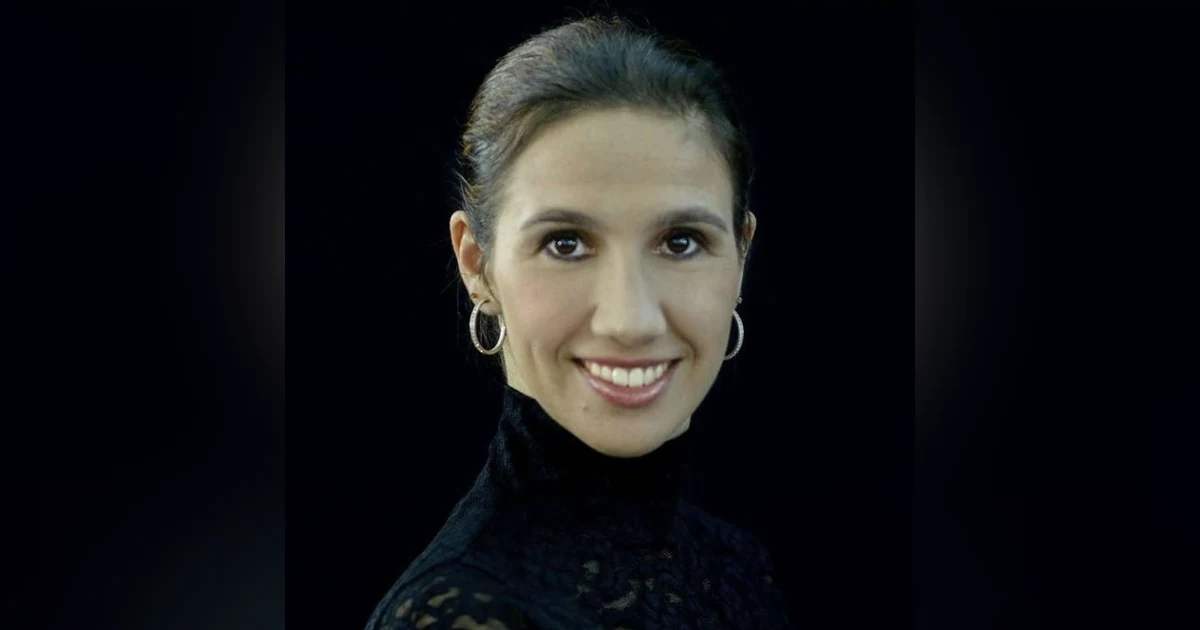


Have you ever questioned the intricate role a court reporter plays in the legal process? This episode takes you behind the scenes, exploring the world of court reporting with attorney and trauma-informed life coach, Catherine. We delve into how confidence plays a critical role not only for attorneys but also for court reporters who are entrusted with the official records, and what we write down is all they have as their evidence to prove their case.
Catherine shares invaluable experiences as an attorney and how she uses her coaching skills to guide people towards life balance. This episode is a captivating exploration of the multifaceted world of court reporting. Tune in and get a fresh perspective on the important role we play in the justice system.
0:03 Court reporters hold one of the most important roles in the justice system. We're entrusted with the official records of the courts and we also have to run our own businesses, which is not something most of us were prepared for. I'm Bryn Seymour, freelance court reporter and life coach, and I invite you to join the discussion about the problems we face and the solutions we create on the unique journey of a stenographer. Welcome to the entrepreneurial court reporter podcast. So in this episode I really want to talk to you about confidence, specifically having confidence in the court, where confidence doesn't necessarily come from your experience, although having the experience does help you to generate the thoughts that do produce confidence. But Catherine and I both are trained that feelings such as confidence, they don't come from our experience or from our circumstances, but they come from our thoughts, which, thankfully, we do have the power to control them.
0:52 So if you're feeling a lack of confidence in any area of your work for this reason or that reason, it's important to really dive deep into those thoughts and get to the root and figure out what exactly are the thoughts that are lurking in your brain that are causing you to shrink back and turn into like a fly on the wall, even in critical moments, and you really want to dissect those thoughts and decide if you like them, if you want to keep them discard and replace any that you aren't too crazy about, any that aren't really producing the desired results. It's like doing a deep clean of your brain, which Catherine and I are both trained to help our clients with. So if you're lacking in confidence, you might be having thoughts such as I don't know if I have authority or if this is really my place to say this.
1:33 I don't know what to say or how to say it. I don't want all eyes on me. I don't really like attention. Therefore, I shouldn't take command of the room. That's scary, even though I know I have to in order to protect the record and do my job correctly. You might be not fully believing that you're playing one of the most important roles, not just in the room, but in the entire justice system. You are one of the most important people and you might not be believing that you are amazing and irreplaceable and cannot be replaced by AI, most general academic curriculums. They don't really teach us how to utilize our brain in order to achieve a desired result. Our thought process and the thoughts that are in our brains are completely within our control, and if we do have the power to control our thoughts and to change them and to be deliberate with what we're thinking, then in turn, that will change our feelings, our actions and the result.
2:28 Okay, hi Catherine, hi Vren, how are you Good? How are you Well? Thank you, I'm so glad to have you here, even despite our technical difficulties. We're both using our phones right now because of the technical issues. We're just going to go for it and we're both on our phones and actually internet connection is better with the phones. I'm noticing, right now, oh, okay. Well, I don't know, but sometimes these things happen and we'll endeavor to make the best of it. Yeah, I'm in my office right now at the courthouse. It's after 5. So 5.30. So we finished at 5 o'clock and I'm just staying late so that I can do this without you know.
3:10 I didn't want to do it from my car, of course that would be dangerous. Well, as you know, it's funny you should say this and in my experience with court reporters as an attorney and I'm out of Illinois, but if you're in the courthouse it may be that a lot of your court reporting is done in the courthouse, but in my sort of lifespan as an attorney I have also dealt with, you know, depositions and other things that may call for a court reporter outside of the courthouse. So I can 100% appreciate the court reporters who come out and report in bizarre places, maybe under slightly not optimal circumstances.
3:56 So you know, I think it just speaks to the perseverance of court reporters and getting it done. So Bravo, trying to think of like the craziest place that I've done, a deposition, I mean, I guess I would have to say in a jail. I definitely went into a jail. That was interesting, okay, so I'm going to ask you about that, but first, why don't you introduce yourself. I'm Catherine Britello. I'm a Chicago girl. I am a Polish American wife, mom, daughter. I am an Illinois licensed attorney and have been for the past 16 plus years. My practice currently comprises of mostly a combination of family law, probate and real estate matters. Over the course of time, I have also represented plaintiffs in catastrophic injury cases, medical negligence cases, nursing home neglect cases, other loss such as fire loss or auto collision cases, as well as doing some other civil litigation matters.
4:59 I am also a certified and trauma informed life coach. I work with leaders who want to find a different balance in their lives and build a life that they love so they can be present with their family with more calm and less anxiety. I work with folks one-on-one and I also give high level presentations and interactive workshops to groups and organizations so groups of employees, groups such as chambers of commerce and we talk about things some of those such as you and I, I think, are going to talk about today in a context of my wearing some hats. I have some other hats, but I think those are going to be the key ones for you today. So from what I've observed, especially after I started working in court, I've noticed most attorneys have a lot of confidence, and I'm wondering if that comes from the fact that you guys have a few more years of school than we do, or if it's because it's really emphasized in your curriculum and maybe you're trained on exactly how to speak and how to address the court, or maybe it's something else.
6:01 So why don't you talk to us a little bit about how that works and if you think there's some connection between that and the level of confidence that you have, or what was it like for you? So I'll tell you this, you know, just setting aside now, remember, I've been practicing for over 16 years, so it's been a while since I had law school per se, right. But you know, obviously you have folks coming into law school who've already done undergraduate education, who have probably done a law school preparatory course, or on their own or through a program, right. And I find that generally folks are doing this for certain reasons either, hey, I've always wanted to be a lawyer.
6:49 Hey, my parents or parents are a lawyer, or is a lawyer, you know, oh, this looks like a job I might enjoy doing. Or even something like, hey, I'm good, I believe I'm good at this. Therefore, I'm going to be good at that. Right, they tend to be folks who want to go after their goals Because they are to do with theater or dance or some other type of performance art. I'm going to raise my hand there because I danced and I was a you know theater geek in high school, and I'm not going to lie to you that something like appearing in court does still feed this need for you to perform when you're not performing, okay.
7:38 So that's my experience and I'm not saying, hey, these are all the people, but that does happen. So sometimes you've got folks who are coming in and may already have a little bit less of a fear of public speaking or appearing in front of others, right? As far as schooling, we will have subjects on different areas of the law, you know, real estate, bankruptcy contracts, civil procedure, criminal procedure. There may be specialty or elective courses and then there are practicums, right For you guys. Obviously, that may be, I'm going to sit and I'm going to do the shorthand, which may not necessarily be.
8:19 Hey, we're going to have a pretend judge sitting here and a pretend jury or pretend witness and you guys are going to do XYZ, right? I was also in a trial advocacy team during the time I was at law school at John Marshall, the NAWI, c Gen Marshall in Chicago, and so we did essentially pretend trials, right, and there were competitions about these pretend trials and some of them are called mock trials, et cetera. So the concept that you've described as far as kind of the decorum of the court and this, dare I say, pomp and circumstance of the whole thing from that perspective, you know, is there and I think that everyone is understanding there's a certain maybe you want to call it a hierarchy right, like here's the judge and this is where everyone stands and this is how it goes.
9:04 And obviously, in certain cases of just bench trials, the judge is the decision maker. That's the one who you want to make sure has all the evidence so that the judge can decide. In instances of jury trials, you know you've got the jury, they're going to be the decision maker, but the judge is going to help them along and that's part of what they explained to us. I'm going to say something Because of my experience as a trial attorney and because of my varied experience. So I've been on trial in Illinois state court. I've been on trial in a federal court in Illinois. I've had cases in a different district federal court in the state of Illinois. I've taken a case that was on appeal and then I think I had a couple of appeal briefs which were decided without argument.
9:49 So I appreciate the value of a record, like when push comes to shove and you want to be able to show something later on appeal higher court about what happened below, or you want to show at trial what happened at your evidentiary hearing or what happened at your deposition. What you guys write down is gonna be what it's gonna be used. So that's my record and I value my record and, quite frankly, I think attorneys do, I hope attorneys do. I think sometimes, in the excitement of presenting what they're presenting or in the you know flow of I'm asking you, you're answering, et cetera, we may lose sight of certain things that for you, as you're reporting whether it's spelling a name or it's, you know, facing forward or speaking loudly or enunciating, so that you make sure that you are actually writing what we're saying or what the people on the witness stand are saying but, like that is super important to me.
11:02 So you know, when I do trials and I haven't been on trial in a little bit, like the last time I was on trials before COVID and thankfully anything after has, you know, been settled or otherwise dealt with when I speak to the jury, when I'm selecting a jury, you know I'll always tell them I'm like look, I'm Polish, american. I might not always have an accent, probably have more of an Illinois, chicago accent than anything else, but if there's something that I don't, that I say that you don't understand, I want you to tell me Like I want to empower my jurors to speak up and say we didn't hear you, we didn't understand you. You know we didn't see whatever you were showing us, because they're the people I want to decide my case.
11:43 And if they decide my case such that I'm gonna go up on appeal, then whatever you put down is all I have to show about what happened in my case. So you know from, I think, a court reporter perspective. Yes, I appreciate and understand that you want to be in a position. Look, obviously the judge is the judge and everybody's gonna listen to what the judge says and each of the attorneys has their time to talk and when the witness is answering questions, the witness is answering questions and I don't necessarily want to say hey, oh, by the way, but I want to tell you all you and your listeners, that what you're putting down is so important to all of the people and in the moment you know they aren't really thinking about and you'll appreciate, right, our LCS training tells us it's not about us, right?
12:32 Even if they're like, well, hold on, or let me finish, or blah, blah, blah, at the end of the day, they want to make sure that whatever you write as the court reporter is what everybody said. So I would invite all of you to, even before you get started. If it's a deposition, I know you're gonna give your card. Sometimes you have the sticky cards. I love those. You can put them right on your notebook and it stays put right. And if you're going to be doing that introducing yourself make sure to let them know, say hey, these are. Or if you know there are gonna be names, your witness names or names in the record that you may not know how to spell, maybe get those ahead of time.
13:14 Or let them know listen, if I don't understand something or if somebody's mumbling or if somebody's facing the wrong direction and I can't hear them, I'm going to tell you. You know, if it's gonna make you feel better, tell them. Please don't be offended, but I want to do the best at my job because I know that. You know it's important for both of us. If they take attitude and they don't like it, that's on them, that's not on you. It just reminded me because one of the things I spoke to Anna Costa. She's also a coach and she coaches court reporters on speaking up for the record and how important it really is. We actually did a podcast episode and in California the court reporters do actually give a pre, like an introductory statement, to let everyone know who they are, what they're doing, why it's important.
14:03 And if I speak up it's because of this, it's not because I'm asking you for more information, because there have been times where I have asked for clarification and then the witness starts elaborating more instead of just clarifying exactly what they said, and so I think like that type of thing is so helpful, but in a lot of states, court reporters are not taught to do that, so they don't feel like it's their place to do that, and I think that we should do that. I think that we should create an introduction, like write a script if you have to, whatever you feel comfortable saying, to let everybody know the importance of the record and what your role is and why you're there, and creating boundaries. Like LCS, one of the things we learn about is having boundaries and how important it is to know what your boundaries are and to know what the consequences are if somebody doesn't abide by those boundaries.
14:50 And so, for example, like I have this little sign right here. This is not I mean, this is an example of like something you could do. I know that the podcast listeners can't see this, but if I knew what this type of thing was called it's like a table sign, like one of these tables signs. You see them at events sometimes, but that's an idea I've had to actually create my boundaries and list them out here. Like these are the rules. Basically, don't speak over each other, don't you know whatever the rules you want for them to follow. And here are the consequences, Because what's the difference between a human and pressing a recording button? It's that we have the ability to make sure that the record stays like, that the whole setting stays in control and that we get everything.
15:38 I don't know how court reporters, for example in my state in Illinois, have their curriculum set up, and I understand that each attorney, while they don't learn how to take a deposition in school either, go through their experience by fire wherever they are, whether it's I'm throwing you into this deposition because you work at this office and I need someone to take a deposition, or whether you're going to be at a smaller office and you're gonna have a mentor who's gonna have you sit in on a deposition he or she does, and then it's going to instruct you. Hey, when you do your deposition, or, to your point, may have a checklist or a playbook for when you do a deposition, this is what needs to be included, and then you're going to go through your specific case issues, questions, depending on what kind of case it is or who you're deposing.
16:34 But I will tell you that it is my practice when I started deposition and I do my introduction in the course of starting the deposition. I will tell my opponent you need to say yes or no out loud. The court reporter cannot take down when you nod your head you know up and down or nod your head side to side and if I tell you to answer yes or no. It's not because I can't see you or I'm stupid or some other reason. It's because the court reporter cannot take down a nod of your head. It needs to be words out of your mouth. So if it's uh-uh or uh-huh, it's gonna be the same. And I will preface for myself because, as I've told you earlier, I know the record is really important for me because if I go and take that deposition and wanna use it to impeach them at trial and it says uh-uh-uh-uh-uh-uh-uh-uh-uh-uh instead of the words that this person spoke, then how am I gonna say, hey, the answer in the medical record is this, but this guy said something totally different.
17:36 Mm right, and I think that that gets overlooked a lot Like a lot of people don't let. It seems like a lot of people don't really prep their clients, so like we should be telling them something, as the court reporter like okay. So let me ask you if there was a court reporter whether it's in a deposition or in court if there was a court reporter who decided that they were gonna take the authority to just let everyone know this is what I'm doing if I speak up, this is why and please don't like you know, kind of going over the rules would you take that as like, oh, this isn't your, this isn't really your place, or would you appreciate that as an emphasis on what you've already instructed your client? Or would you appreciate it because you didn't instruct?
18:19 Well, you seem to be like very good about that, but you know what I? mean like what do you think is the perception of that? Here's the thing I would welcome and be absolutely on board if that is going to help the court reporter, make the court reporter more comfortable, reinforce or make more clear what we're all trying to collectively do here. Right, because you know, at the end of the day, the deponents outside of you're my attorney, that's the other guy's attorney, you know, maybe these people are the jury and obviously everyone knows the judge may not even know or appreciate what the court reporter is doing, so they probably aren't going to have an expectation outside of the judge.
19:03 You know saying something and maybe one or other of the attorneys making statements or asking questions, what any of these other people are going to do, because also there's a bailiff, right, and then the bailiff announces the judge and all the things. So they're like, oh okay, somebody's saying something, that's normal and they may not know that. You know a court reporter is either supposed to or not supposed to say something. It may be okay, this is part of the court procedure. Court reporter said her thing. I understand it or I don't. I'm going to ask my attorney and we go on. You know, and again, for me at least, again in my personal practice, the record is important. You know we want to make a record. If something isn't clear, if there's an objection, I want to go.
19:44 I want to have a sidebar with the judge. I want to make a record because I want to make sure something is on the record right. And how do I do that? Well, I got to deal with you. So you know, here's the thing. Sometimes I think that people, maybe some of the reasons. As I said earlier, it may be an experience, or it may be ego, or it could be any number of things Someone woke up on the wrong side of the bed, someone's kid is sick, someone's dog vomited on the carpet this morning. Like we don't know what's going on. And they may appear or be present a certain way and it may not have anything to do with us.
20:25 But here's the thing, right, if that's going to help you do your job better, what's the worst that's gonna happen. Like, honestly, they're gonna say, madam court reporter, you've had your chance to speak before. Now it's not the time. Or the judge is going to say, oh yes, can you please spell that name letter by letter for the court reporter so he or she can get it down. A lot of what's going on is we may have this fear of what are people going to say? What are people going to think? What is going to happen? Should I, should an I? Is this appropriate? And, at the end of the day, these are things which you pointed out weren't made clear as part of your procedure during your schooling, so I would invite you to consider well what are other instances in which you've spoken up and like what's the worst thing that's happened?
21:15 So, when this thing has happened, what happened then? Like, you had a thought and you had a feeling, and maybe that feeling was I felt I don't know scared, or I felt unsure, or I felt singled out. Right, yeah, I felt scared, did you? Did you survive? Like, here you are today doing a podcast interview with me and you seem pretty alive, as I see you. So I'm going to surmise that, even if you do this, you're going to still be alive. If you have those feelings, if you say to someone in the middle of the courtroom hey, can you spell that name, because I don't know who you're talking about and I want to make sure that it gets on the record correctly.
21:57 Yeah, I mean it takes a lot of discernment because you know, of course there's a time and a place for everything and it's not always appropriate, because if it's easy for us to figure it out ourselves, then yeah, we take the extra steps to figure it out. But I guess it's like if you're going to have boundaries like okay, I'm a human court reporter, you need, like, if you want a court reporter that's a human, to take the record down. It means you care about the record and if you're acting, if you're not acting, in accordance with the rules of the deposition, here are the consequences. I'm not going to. You need to get an AI or like record. It do a recording or something, because I am here and these are like the rules that need to be followed, and I feel like it's not necessary it shouldn't be necessary for us to give some kind of a prelude about that, because that should already be known and understood.
22:49 But it just seems to be becoming more and more common, I guess, for the rules to just be broken and people to just. Maybe it's because of the emergence of digital court reporting and of AI and things like that, because they have been using that whenever they don't have a court reporter and that allows a lot more lenience and they get into the habit of just talking over each other, going back and forth, arguing going like 500, 300 words per minute, things like that. So it just seems like it's becoming more of a habit or more of a pattern nowadays, and so that's why it feels like maybe should we do this, maybe I have it ready in my bag just in case and it can serve as like a warning or so.
23:32 I guess that's up to every. But in California they actually I love how they do that, like they just do it right out, flat out in the beginning, and it's just like taking control and if you're in like one courtroom, it may be that when you're in that context you may be assigned to you know a courtroom or a couple of courtrooms. Get to know your judge. You know your judge wants that record as much as your attorney's do as much as you do. It may be that they're going to help you. You know, present this. I have always been on the or of the school I should say where sure I want the judge to hear and consider and read my pleadings and do all the things, but if I want to get something done, I want to talk to the judge's clerk.
24:16 Like I want to know something about that clerk so I can come in and I can give her my stuff and I can small talk and smile and know that I'm in the pile of people that are going to be heard, you know, in the first 10. And I think court reporters are the same way. Like you want to get something done, you're pretty nice with your court reporter For those of your listeners. Right, if we have more freelancers, I would imagine that if you're coming up against this issue and, depending on whether you have more court reporters in your group or whether it's you communicating with the attorneys, you know one-on-one when they are reaching out asking you for your services and you're sending over.
24:57 You know agreements, costs et cetera, whatever maybe prepare a document, prepare a template with like these are the things I would like for you to cover with whoever witnesses, or even just at the deposition when you start, and if you're not, you know, feeling comfortable doing that at the beginning, talk to the attorney. I mean, they're gonna. They need what you are offering, they're paying you, they want your service. You may have some other parameters, like you have a minimum of whatever one hour, or you have some other requirements, right, if? Whether that means they have some kind of power outlet available or whatever else, or if it's like a zoom deposition, whether they have something else available for you, why not have that be a part of whatever your initial packet is?
25:47 Hey, I've got these two paragraphs. They're short. Read them to your people. Tell them that they can't talk over each other, that they have to speak in words and not in head gestures or otherwise, that if they're talking too fast, I'm gonna raise my hand and I'm not gonna type until they start talking slower, and let them know. You know it doesn't have to necessarily be in a cocky way. If you write in a piece of paper, however, those people are gonna read it. It's, however, they're gonna read it. But you're welcome to have that as part of your procedure, because why not? Yeah, I think that's very professional to do it that way, Like to write it down, have it documented, be prepared rather than getting upset. There's no need to get upset If we have our boundaries established.
26:29 It's just a professional. This is how it is, Like there's no need to yell, there's no need to get uptight or anything like that. Yeah, you're probably gonna get enough of that from the attorneys and the witnesses, depending on the situation. I've seen the things, so I get it, but and the court reporter cooler heads will prevail. But going back to the fact of the matter is that everybody wants this on the record, right, and if things do get out of hand, I've asked for a court reporter to notate that so-and-so has raised his voice at my client and all kinds of objections flew back and forth and ultimately we took a break and everybody chilled out and it was fine.
27:13 But again, it will come with experience as to how younger attorneys go about making their record and where they're gonna object, what they're going to put on their record and depositions, what they wanna get, et cetera. But those things are going to stay the same. You are not gonna be able to write down a head gesture because it's not a word. You are not gonna be able to write to people at once because you are one person and that's not how human hearing works, right. So I think that it is totally fair to keep reinforcing and telling these folks upfront.
27:56 These are the things that you all need to know and I'm gonna keep telling you and if you're not doing them. I'm gonna keep reminding you so that we can get this done. Yeah, and that's the thing we need practice with that. Like a lot of court reporters I feel like a lot of a lot are lacking that confidence to even be able to say that and to not feel like they're a broken record or feel like they're being annoying or inappropriate. It's not inappropriate, it's not annoying. Like every attorney I've asked appreciates the court reporter making sure that they get the record and treating it as the most important thing because that's really our, that's our role, that's our duty and I think maybe to your point, the mechanics of what you're doing is something that you have practice with, but maybe interacting with these others who perhaps, in kind of a generalized thought process, are maybe more educated or maybe have more years of school or maybe have more years of experience.
28:55 It's funny. When I was in law school I wrote this essay I wanted my homeworks that said judges are people too, and in my experience as attorney, I have learned that judges sure as hell are people too, and they're even pretty flawed people. So, like it's okay, some people wear slacks, some people wear the big black dress, and at the end of the day we all go home and we eat dinner, we sleep, we poop, we play with our dogs and our kids and if you need to make your record, just go make your record. So hopefully, the judge playing with his or her dog and pooping is going to help you do that. After you listen to this, as many courtrooms as you're going to be in, the judges are going to run them differently.
29:39 They're going to have a different dynamic with their bailiffs, with their courtroom staff. There may be other people that come in that have different dynamics with those people and you know, are you going to be in an ideal setting where you can hear a pin drop and one person is going to be talking. Probably not, but you know, whatever you can do to help make the reality of the situation is your life easier and the task of putting the record down, which is in everyone's best interest, easier. Why? not. Yeah, I mean because if we had like audio backup, like in depositions, in freelance we use audio backup and that makes it a lot easier to go and figure it out if there was crosstalk or if there was.
30:28 Like you know, there's a lower or a higher level of time, there's a higher level of tolerance, I guess, for that. But in court, at least here, I've never heard this before. But the rules are that we're not supposed to use audio backup and so we have to literally make sure that we don't miss a single thing. So that's why we have to I mean at least for me, I have to make sure that I'm very like for me and the other court reporters here we have to be confident enough to really make sure that we say something when we need to and control the situation so things don't get out of hand Because there's no backup, there's no safety net. Going back to my. You know these folks are people too.
31:10 I'm going to invite some of you freelancers. If there are local, you know, bar associations or similar like ethnic or other organizations for attorneys or renversal of the bar judges, they may have associate membership or they may have an opportunity for certain kinds of events, like they may have. I know attorneys have continuing legal education. You all may have certain types of, you know it's not called continuing legal education but you probably have, you know, some sort of hours that you're doing annually to keep up on whatever you know aspect of your skills as court reporters.
31:56 So there may be a live thing like that where they're instructing on something that could count towards your hours for your year or two years. Or it may be like some sort of socializing aspect of some of these bar associations. See, if you're welcome, go and like mingle with these attorneys outside of the courtroom or outside of deposition and get to know them and just see that they are maybe not as scary as sometimes they make themselves out to be in depositions or in the courtroom. And I don't say that in a bad way. But you know there's a certain stance that you're taking with a hustle witness or with someone who, essentially, you're trying to prove, you know, did some wrong in cases that I used to try, you know, performed negligent medical treatment or something to this effect.
32:55 So you're not necessarily going to go out all smiling like, hey, what's up, right. But if you're at one of these continuing legal education or continuing education courses, you're probably going to be talking about those things your dogs, your kids and it may humanize these folks a little bit for some of you freelancers. And so when you see them in this other context, to be like, okay, they're not that scary, I'm just going to remind them, hey, have your people spell the last names, because I don't know how to spell, you know, sean or whatever you know, and you're like, wait, I'm sorry, come again and they're going to, they're going to do that and it's and it's going to be a different dynamic. So it's something that I would suggest and it's also maybe an opportunity for you to grow your network with other attorneys or new attorneys who may need, you know, last minute freelance reporting or deposition court reporting, or you know something that they may or may not be getting, or at a time when their you know, usual court reporters are unavailable, or something else, and a lot of these, I think, are going to be plaintiff sides or defendant sides when we're talking about these injury cases, for often, affiliated with the insurance companies, they may have a group of court reporters.
34:10 That's kind of a larger conglomerate and there's many court reporters, so they may deal with freelancers a little bit less often than folks who are representing plaintiffs, the people who have been wrong, who may have fewer depositions or be looking for kind of a one off situation, or maybe you know, two depositions in like a case, or maybe looking for something last minute because they need someone at an injury hearing when it's the kind of a hearing that the court doesn't have a court reporter for. That's there on staff, or at least that's the way it is in our courts, right in certain areas of the law. So, yeah, I think that's also another way to kind of lessen this dynamic of, you know, maybe fear or insurity or, as you said, you know, feeling maybe stupid or or as though you may not be doing.
35:01 The right thing is to humanize ourselves to each other so that we can then, in a different context, remember oh yeah, that's the one with, like that really cute golden retriever. No problem, I'm going to walk up and be like hey, let's just remind them they have to actually say yes or no, and they got to stop doing this head shaking, because I don't know what that means. Yes, I think this is such good advice. I think everyone should listen carefully. I'm going to repeat what you just said in case anybody missed it. Okay, join a bar association that you can network with attorneys, because that's something that will really help. Having a connection, like you said, a personal connection is it will really help to network and to probably get your own clients.
35:42 All you entrepreneurial court reporters. By the way, I'm sitting in the dark right now. I don't know if you saw me waving my arms around. The light in my office just went off automatically and I'm like kind of trying to get just go back on and nothing's happening. So I'm here in the dark. This is so funny. I have a. I have an anecdotal story about that I'm going to share. When my daughter was younger I have a daughter who's mine and when she was an infant still, I pumped, but because I was still working at a firm where I did have a personal injury practice I would be at depositions and you know I need to pump and one of these times I found myself at a bed back and beyond, in the middle of nowhere in Illinois and in the sort of a big stall, pumping on like the changing table, and there was a light control, like motion control, and of course the light went out and I'm sitting here in the dark like pumping and you can just hear the machine.
36:40 So I was funny. I called the husband, I'm like, hey, I'm sitting in the dark, and he's like well, should you get the light on? I'm like no, I'd have to go out and do all the things or whatever. And then I hear the door open and then someone comes in and I just thought to myself I can imagine they probably like hear this noise and it's dark and they're like what's going on? That's my funny like automatic light story and this was, you know, a little bit before, like where they had these nursing rooms available and in courthouses, etc. So thank you for those of my colleagues that you know fought for those things and also, just, you know, kind of a real life attorney slash life coach, slash mama story For those of you entrepreneurs who are like WTF, like yeah, just do it, just do it and unapologetically do what you got to do.
37:31 Oh my gosh, that's hilarious. That's the funniest when that happens in the bathroom. It happened to me once one time while I was in a stall, but there was someone else in the stall too. So when the light turned off because somebody actually turned it off, the other person in the stall was like hey, and I was going to do that too. But I was like, all right, good, she, she took care of it. Okay, so I have two more questions before we end. So for court reporters, like, what would you say is the most important trait or characteristic? Like, what do you think makes a court reporter more valuable than a recording or AI? So I'm a Gen Xer and I'm not saying I don't use all of the tech gizmos.
38:17 I mean I use some of them. I'm on Instagram, I'm on Facebook, but on that example, like if I do a reel and I talk and I choose a little closed captioning thing and, as you said, the AI will transcribe what it thinks I said, Sometimes it will not transcribe what I did say, so I go back and I edit it. I have yet to have it learn my last name, even though I say it just about every time, and you'd think it would remember, but maybe it's not programmed to do that, so I find myself correcting my name every time.
38:58 So I think that there's something to be said for you being like a living breathing human who has experiences and has experienced language and learning. As a living breathing human and who also can do the exact same things that we've been talking about for the last hour, you can say excuse me, you just nodded your head. Because if you have AI transcribing nodding your head it's not even the same nodded head there's gonna be nothing. And if you have a whole three questions nodding head, up and down, side to side, you're gonna have question nothing, question nothing, question nothing. And if you are there as a living, breathing human person, you're gonna say I need to have you say words with your mouth, otherwise I cannot take them down.
39:49 So what we've been saying, remember you are there to keep the record, which, at the end of the day, may arguably be the most important thing in that courtroom Right, and then attorneys are busy thinking about all the important things that they're thinking about and so they may forget to remind their client you need to say yes or no or those kinds of things. So we should be ready whenever that happens. That's exactly what Judge Noreen told me when I interviewed her on the podcast. She said the most important thing is being able to interject and to get the record. Like she said, it's never annoying. Of course, we have to have our discretion and not be over the top. But also you can't really use your better judgment on whether someone's nod is a yes nod, a no nod, and I don't know nod whether me or no, right exactly Agreed, that's two for two, okay so.
40:44 So the next question you mentioned that you were a performer. Are you a singer? No, I was a ballroom dancer. I was a competitive ballroom dancer as a under 21 youth. I even represented the United States in the five standard dances at a world's international dance sport competition. And then in high school I was in theater. So I, because of time I spent in dance and time I spent playing piano, also for a little bit competitively, in high school, I didn't have meteor roles, but I did have dance roles and I did have choir type roles.
41:26 So I have not been one to shy away from the stage. Wow, that is amazing that you represented USA and that you competed. I'm so glad I asked that question because that just opened up a whole new side of you, that like wow, that's like that's really intense. You must have loved that. I did. I mean, I can tell from the way that you talked about how you just have no problem with like it's just natural for you to be like confident and present your case and not care what other people say or think. It's fun in that, you know, I, my daughter, is nine. She, one of the things that she chose as a extracurricular activity, is karate and she wanted to do it.
42:13 We signed her up. She is continuing so far to pursue it and she had a belt test to a next level or, you know, next color belt recently and the gentleman who was running the test because they put them, you know, in different categories and then they have them do the kata, et cetera stood up and said, well, you know what People are the most afraid of and hands went up of parents and there were things. And someone said you know public speaking. And he said, yes, public speaking. And I was like where is he going with this right? And he said good for you parents to have the kids, because people are like, oh, you're in a group sport, you're gonna have leaders, you're gonna have this, you're gonna have that, but he's like these kids, some of these kids are as young as like six years old, and they got up in front of six strangers and all of you in the audience and they did their kata and they're fine.
43:10 And I was like, oh yeah, that's a good point there is, tell you to you know certain single person or non-team sports and the concept of the spectator and any of these sports, in my opinion, is something that builds these kids confidence and teaches them that it's, you know, we're not gonna go to the mind's eye or the objectification, but that in their lives they are going to be met with situations where others are going to be spectating them Right wrong, however you wanna consider it, but it is in this, though, you know, everybody's on Zoom all the time, and suddenly you find yourself in a context of people and you're like whoa, so it is pretty amazing that these six year olds are doing these karate tests in front of you know, six strangers who are grading them and who are doing all these things.
44:01 So, when we are thinking about even some of the activities that we do and this is an excellent point, because when we're thinking about confidence and building confidence, we wanna show our brains hey, what are these other things that we do that are similar to this, like keep a journal, you know, write things down. Hey, I can do this. I, you know, spoke up at my kids' PTA meeting, or I sang in my church or I did whatever, and I invite you to consider that raising your hand and saying is that a yes or a no? It's the same as saying well, wait a minute, because my kids' class didn't have a field trip this year and that other class had two field trips. So what's going on?
44:44 It's so true, oh, my gosh me and Elizabeth Wigner. On our last podcast episode we were talking about journaling and how valuable it is to just keep a journal and keep track of the wins every day that you everything that you're proud of like. Take a moment to just write it down in like a little bit of a celebration, just keeping track of all the times that you do what you wanted to do and accomplish one of your goals. It's so, so valuable and so helpful and such great self-awareness. Yeah, we wanna show our brains that we actually can do hard things, right. Exactly so. Is there anything else that you wanna share? How can everybody reach you and find you?
45:26 I am on the socials as a coach at at kathrynbrucalocoaching. My law firm is at Brucalo Law. I will send you an email where folks can get ahold of me as well. I am so glad for the opportunity to have spoken to your core reporters. Don't let anyone tell you, guys, that you are not, and Gals, that you are not important, because that record is critical to all of us. Sometimes we're just a little bit, you know, in the throes of whatever we're doing in the moment and we may kind of lose sight of hey, there's a person taking this down and we need to slow down or say the words or do whatever, and please don't hesitate to remind us.
46:11 We will be grateful for it, even though some of us might not look at it at the time. We will be grateful for it, I promise, and as a coach, I do offer one-on-one coaching to folks who want to create a life that they love, so that they can spend time present with their families with more calm and less anxiety. And then for folks who want to offer interactive, high-level workshops for their teams whether it's their teams and employees, teams, groups such as Chambers of Commerce, bar Association, et cetera. I do offer those and we do come with topics such as how to show up with confidence, how to give and receive feedback, how to effectively time manage, and some others.
46:59 So it has been my pleasure, thank you, and I'm welcome to chat with any of you afterwards if you'd like. Okay. So Catherine, that's with a C, brooke Hallow, I'll link it in the show notes and those one-on-one coaching topics sound really amazing, especially just being calm and fully present in our lives, what we really all need most of us court reporters. Definitely that's what we're working on, just like with all the different little things we have to manage and figure out. So, yeah, sounds amazing. thank you so much for coming Just again pick up, have a plan, get to know your attorneys, get to know your judges. You've got this. Yes, love it, love it.
47:40 Have a great rest of your evening. Thank you, you two friends, bye.


