#41 - Courtroom Chronicles with Trial Attorney & Coach Renee Pardo
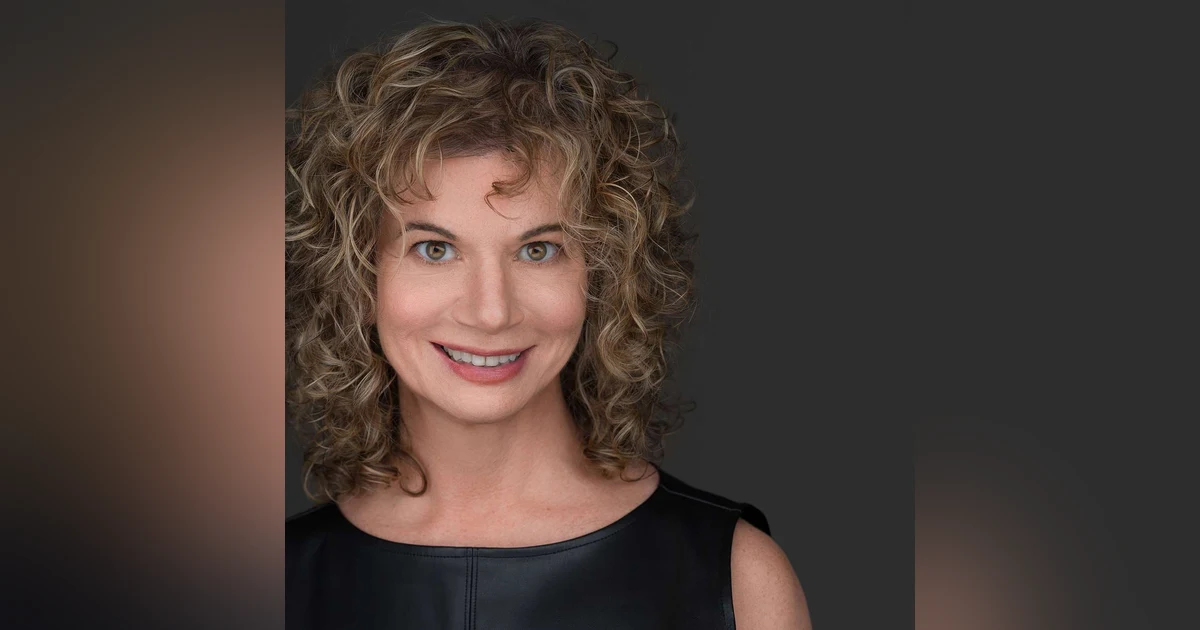


Renee Pardo, Esq., a former assistant district attorney, sits down with us to share her journey from the halls of University of Texas at Austin to the tense drama of family court and criminal law. Through her stories, we glimpse the intense pressures and personal growth in legal battles, getting a raw look into an attorney's life navigating the courtroom's complexities.
This episode shines a light on court reporters, the quiet heroes of courtrooms. Their knack for capturing every word is impressive yet often overlooked. We delve into their world - visible yet often unseen, essential yet underestimated. With stories ranging from funny to heartfelt, we dive into their skills, professionalism, and the bonds they form with attorneys like Renee in the legal ecosystem. Their silent keystrokes echo justice's heartbeat, preserving truth for the future.
We also discuss New York's evolving discovery laws and emphasize the importance of fair compensation for court reporters. Plus, we explore the empowering journey of women attorneys seeking personal and professional growth through coaching. Renee shares her own transformative coaching experience, resonating with anyone aiming for success in law's demanding world. Join us for this deep dive into the legal realm, where every voice, from commanding attorneys to history-capturing court reporters, matters.
00:00 - The Court Reporter's Unique Journey
07:16 - The Life of a Court Reporter
16:53 - Court Reporter Relationships and Experiences
20:39 - Building Relationships in the Courtroom
33:58 - Recording and Responsibility in Court
37:18 - Challenges in Court Reporting Communication
43:44 - Discovery Law Changes in New York
49:44 - Life Coaching Benefits for Women Attorneys
0:00 I've learned so much by listening to your podcast since I found it. I wish I'd had it to listen to 20 some odd years ago. Even me that has been with court reporters for years did not realize the extent of the decisions that you have to make all the time until I listened to your podcast. Court reporters hold one of the most important roles in the justice system. We're entrusted with the official records of the courts and we also have to run our own businesses, which is not something most of us were prepared for. I'm Bryn Seymour, court reporter and life coach, and I invite you to join the discussion about the problems we face and the solutions we create on the unique journey of a stenographer. Welcome to the Entrepreneurial Court Reporter Podcast. Hi Bryn, welcome to the Court Reporter Podcast.
0:41 Hi Bryn, how are you? I'm great. How are? you Wonderful, thank you. How are you? I'm great. How are you Wonderful? Thank you. So excited for this conversation. Why don't you introduce yourself, share where you're from and your journey, how you became an attorney, what led you in this way? What inspired you? Who is Renee Pardo? Sure. So I, up until a couple of months ago, was a full-time assistant district attorney in Suffolk County, which means I prosecuted criminal cases, felony cases, and was specifically assigned to the Child Abuse and Domestic Violence Bureau. That was my last assignment in the office. Prior to that, I had most of my experience in family court as a county attorney.
1:22 So a county attorney and a district attorney are two different offices, two different assignments, two different things. And I spent the bulk of my time in my career there in family court and I handled their child abuse and neglect cases, as well as juvenile delinquency cases. And then, going back even further, I was in private practice for 10 years and I handled all kinds of cases. But I started my career well before that, actually, and after school I went to the University of Texas at Austin and then I went to a law school in Houston, south Texas College of Law. My first job out of law school was as a prosecutor. So I started the same way. I finished I was an assistant DA in the Fort Worth Dallas Metroplex, tarrant County, and then I moved to New York because of getting married and that's where my husband was from, and I'd only been a lawyer for two years.
2:13 So the rules between New York and Texas were that if you weren't a lawyer for five years, you had to sit for the bar and start all over. So I did so. I became a lawyer in New York and then started shortly after moving to New York, moved to Long Island and that's where I started in Suffolk County. The majority of the time I was in a courtroom every single day handling cases or handling calendars, and what I really liked doing was speaking in public, and I think that's why I'm more gravitated to things like criminal law and prosecution, because I love being in a courtroom, I love speaking and I didn't enjoy the aspect of my job and certainly didn't want to go into the areas of law where all I would do would be sit and write.
2:55 For instance, I like creative writing, but legal writing was always a challenge for me and not something I loved. Yeah. Yes, I mean, I always admire now that I work in court, you know seeing all the attorneys present their arguments. It's kind of like I didn't realize, because my only other experience with it was seeing it in movies and TV shows, and you don't realize how like nerve wracking it must be, I guess, or how wow, like you, know you have to have a lot of confidence in order to present your case and yeah, it's like public speaking basically Exactly, and I guess that was the thing. I never really had a hard time with public speaking. I mean, I get nervous all the time still, but I enjoy it, I like it, and so for me that seemed like the place that I would be the most comfortable.
3:42 In the questionnaire that you filled out, you said that you've had major wins and major setbacks, sure in the courtroom, and survived them all. So, yes, any funny or embarrassing or crazy story, anything that comes to mind. Sure, I think one reason that I was so comfortable is just because I lived through so many things that were terrible and embarrassing and things that happen. I think I shared with you when I met you one of the things that happened to me when I was a young prosecutor in New York. We were on a summer day and I was working hard on a closing argument and it was summer and I had my suit on and I had my jacket on and at one point we lost air conditioning.
4:26 But we were so close to the end and the jury was sick of everything and it still wasn't too horrible, so we kept going. The jury voted to stay and I stood up to do my closing argument. So I'm the very end of the case and one of the things we'd been working on was to be more demonstrative. It's like when you're saying I've proven this to you, this to you this man is guilty, to turn, point your finger at him, you know, make a big sweeping gesture. It was very hot. I was in a blouse and a skirt. My jacket was off because it was getting very hot in there. So all of the lawyers had their jackets off with the judge's permission. The judge didn't even have his robe on anymore. Like we were hot, we were just let's get it done.
5:08 We've been there for all week. And I turned at the very crux of my argument. And so, ladies and gentlemen, you need to find. And I turned to call him guilty and point, and I felt a little ping at the front. My front closure bra opened right there as I'm giving my closing argument. Now, I don't know that any, I don't think anyone could see anything. But you feel that when all of a sudden, both sides of your bra retreat to different areas of the courtroom, you feel that. So I went from making the big sweeping gesture of pointing at him to basically like almost ending the closing argument almost immediately with my arms folded across my chest, going so he's guilty, guilty, guilty, you know.
5:52 And like sat the hell down and wanted to be over like the most mortifying, you know, wardrobe malfunction one can ever have in a courtroom. But you know, once you survive something like that, other things happen later on and you're like that's nothing, like I lived through it, so it was okay. It was, I remember, and this story was oh my gosh. You told this story at our lunch at the we Love Women's Foundation's International Women's History event. I mean, it's definitely better in person when you get to see all the theatrical yes, wow, I can't imagine how you must have felt. I don't think I talked about it openly for like seven years. It's now that I can back and laugh at it. But it's just funny and I share that story.
6:34 Now, when I've got people that are, you know, attorneys that I work with, that are afraid to do something, or they they're embarrassed by something that happened in court and I'm like listen, that's nothing, let me tell you they're embarrassed by something that happened in court. And I'm like, listen, that's nothing, Let me tell you so it doesn't bother me anymore. But yeah, yes, it's really inspiring. I guess you know these things happen to attorneys and it would be really interesting to do personality tests on attorneys and like on court reporters too, because we probably were not the ones that were raising our hands in class and answering questions and like we just get to kind of like witness and observe all these things without being in the drama, just observing it. So it's, it's interesting to see the difference of personalities.
7:15 It's funny. I've known so many court reporters. Right, because and as you know and your listeners know right Court reporters can do tons of work where they're not in a courtroom every day. But I was used to having a court reporter with me every courtroom I've been in, so I've seen so many different personalities of court reporters too. But I guess that's true. There would be more possibility that court reporters are more introverted, but it's also the nature of their job to be the fly on the wall, taking everything down. Yeah, and I think that can be hard for us too because, like, everybody wants to express themselves to an extent, of course, some more than others, because introverts versus extroverts.
7:57 But I think it is hard when, like we, we have something that we want to say but we can't say it because of the situation. Oh yeah, there's probably a lot like bottled up inside that we just want to like let it out. And also, even I mean, we do have to have that confidence to be able to say what we need to say when we need to say it, in order to get the record accurate, to clarify certain things, like I always talk about how we only have a split second to make the decision whether to interrupt or not to interrupt, because if we're not going to interrupt, that means we have to figure it out later on, like if we missed something, or if we think we missed something, or if we didn't hear correctly, or we're like not 100 percent sure that kind of puts that burden on us to kind of try to figure that out later.
8:41 So I always talk about how it's important to decide ahead of time that we're going to train ourselves and practice the mindset of being able to confidently interrupt in the moment that we need to, because we literally don't have time to make a decision. So the decision has to already be made. And then I kind of feel in a way like you know, I should have been worried about that, I should have been thinking about that. But what happens is, even though I mean again, I have a very close friend who's a court reporter and from court right, and you know, things would happen and I mean I love her, she's wonderful, she's a close friend, but there would be times we will be in a case really heated and all in the back. We come out from the back after being there, you know, arguing, doing whatever we're doing without the litigants, for you know, 30 minutes, whatever we come out to put it on the record, we're all like decided, I start talking, the judge is even talking, and then someone says Jamie's not here, that's my friend, the court reporter.
9:38 I'm like what? And that's my good friend? And then I'm like oh my, my God, I'm such a jerk. I didn't, I didn't even look, I didn't and it. But it had nothing to do with her, because that's even someone who's my very good friend. I would notice that she's not there. But because you're so into the moment and having to make a record of what you want to say and so used to the court reporter being quiet in her place, do I see her could be him doing their, doing their job. That's why it doesn't always stand out right away. But I don't know how many times that I've had to recreate a record because either me or some other lawyer or the judge came back from being in the back to put everything on the record and did it without getting the court reporter.
10:22 I cannot tell you. It happens every day in courtrooms. I cannot tell you. It happens every day in courtrooms. I'm sure you know. And then we start over. Yeah, it's so funny because it's like you say that the attorneys are so focused on making the record, but if the court reporter is not there, there's no record, right? Yeah, I think I've had some brilliant moments without a court reporter present, and it doesn't count. Oh my gosh, that's so funny. It's like I know it does happen and it's like I always have to remember to make, make it known if I'm stepping out of the room, or because they will forget and they'll just like keep going. So I remember. Yeah, and we knew we would know because everyone was in the back.
11:04 That court reporter can't sit there the whole time. We're in the back, so you know they'll go do whatever they got to do. And then somebody has got to go get them and tell them okay, we're finally back on. We know what we're going to do now, how we're going to proceed, but it just happens because, particularly if you're in the back, it's usually because you are in the middle of litigating something that you know has been a sticking point and is some problem, and now you've got to make it really clear and that's all you're thinking. You're just so tunnel focused or that other attorney has made you so mad. You cannot wait to come back out and say what you got to say on the record. And it seems so rude, particularly when it's your friend and you didn't notice that she wasn't there. I mean, I've had her look at me like really, I'm like, I'm sorry.
11:47 Okay, so share more about how you became friends and how you like. What is it that you like about her and her work, whether it's in the transcript or in or it could be any court reporter like anything positive or I guess I'll say positive first and then we'll do the negatives but like that you can point out about a court reporter's work ethic or how they present themselves, or how the transcript is done differently from another one, anything like that that you can point out. I will tell you I mean as far as like friendships, point out. I will tell you I mean as far as like friendships.
12:27 I don't with respect to like my closest friend that is a court reporter. I just became friends with her, not knowing anything about her work, just knowing that this was a wonderful person in the courtroom that I could talk to, who was nice to me. My transition when I first came to family court as a county attorney was difficult because I had been used to criminal law. I had done stuff on my own at real estate and other stuff, but I'd never done family court work specifically. It was different and I met my friend Jamie. She'd been in family court for a while so she was just nice and when I would screw something up or say something, she's sitting right there. She's like no, it was fine, don't worry. This is what happened. And she was just a nice person and I didn't.
13:08 In the kind of work we were dealing with in family court I wasn't really necessarily looking at a transcript every day, so I knew nothing about what her work product was, just that she was great in court and she was personable, got along with everybody else, the judge liked her, we all got along, and it's the same thing with the court officers or the people that are there Other attorneys that have to come in and have their keep coming in their cases. They'll complain about that because, oh, you talk to her, you're her friend, you know him, but that's home court advantage, as we say. I'm the person that's in there every day. So, sorry, you should come in and be extra nice to everybody, because this is my home.
13:50 I'm here every day, just like we try to be fair and do everything right. But, yes, I know this person and we talk to each other and she'll talk to you too and do whatever you need. Just don't be a jerk to her. So there was a lot of that. But Jamie, for instance, how that came about, was I just. She was just a person that I had something in common with, I think even in the beginning. There was a time that I was wearing a lot of suits from White House Black Market. During a time they sold a lot of suits and my friend Jamie, the court reporter, is quite gorgeous. Now, if she ever listens to this, she will be very embarrassed, but she's beautiful and it was. I think one day I would. I came in and she was wearing the exact same outfit only she's her and looked amazing and I was like, well, now I have to go burn this suit, like I was.
14:37 I think there we were, but it was funny because she was. You look so good at it. So we had things in common. She had two children. I had two children. Oh, and I can tell you this, whenever we would take a break or whatever, she would come out. If she had any food and she'd be like here and feeding me mangoes cut up perfectly, or she'd be bringing me cookies. I'm like, what are you doing? So you get to be friends with someone that's bringing you food, being very nice and telling you no, that sounded fine, don't worry, I got everything you said. So that's how I became friends with her and started to see her outside of the courtroom with other people. I mean, just like I get to be friends with another. One of my best friends is a clerk in the family court.
15:19 My friend Jen is wonderful and knows I mean I always joke if either of them decided to go to law school they'd be dangerous because they know so much. But that's not. The law school is the pinnacle. They're excellent at their jobs and the courts would not function well without them doing their jobs. They're very important jobs. To answer the part of your question about what things don't you like or about the transcript, the only time I can ever say I think I mentioned to you. We have one court reporter I don't think she's working there anymore, but for years when it would be her turn, her rotation, we affectionately called her the shusher because she constantly shushed us.
16:02 Now I totally get that, especially when attorneys get excited and in family court that happens a lot in criminal court and you talk over each other and there's crosstalk. They can't separate it. Everyone's going at once, the judge is upset and typically in family court you'll have so many lawyers You've got rather than two parties. You've got an attorney for the child, you've got an attorney possibly for both parents and you have the parents Okay, so you can have all these attorneys. Then you have the attorneys for the parents, the what they say, the AFC or attorney for child. We have everybody who has to take a turn. You have the County attorney, or if the County attorney is not the same as the attorney for CPS, that could be different.
16:45 You have all of these people that don't want to take turns speaking so that the court reporter can get it all down. No question that a lot of times we've got to be yelled at by the court reporter so she or he can get a clear record, but one particular one did it so often about everything at all or anybody else that happened to walk in. And even if you're conferencing a case in other words, you're not talking about the weather, but you're sitting next to your partner and you're like I think this is the next thing that has to go up here She'll shush you for that where you've got to be able to talk to your colleague. So we didn't love her because when she came in, because and we referred to her as the shusher I think that was the worst situation we ever had with respect to or me.
17:27 I mean I just I was very lucky and always had wonderful court personnel, and I'm not making that up, I'm not blowing smoke. I truly have enjoyed the people that I work with in the courtrooms for the most part. Occasionally there were court officers that I was like, oh okay, I got to deal with this for a few weeks or whatever, but for the most part, certainly all the court reporters. I other than the shusher I was like happy to see them when I had not seen them for a while. And of course I think I told you my friend Jamie got transferred out of family court. She wanted to, and then at some point I ended up leaving family court for a while, still at the county attorney, and I had to go to a different courthouse to and I handled some civil matters and the very first civil case that I tried because I'd always tried family court or criminal cases was a case against the county, specifically against community college.
18:20 So we represented the college. Therefore, because we're the county and it was, I was scared because it was a totally different kind of trial different jury, different everything, different judge, different courtroom, had no idea who was going to you know, be doing it. And in walked Jamie. I had never been so happy in my life because I was very nervous, like I'm going to do things wrong. The rules of evidence are different, I don't know who's going to be here. I'm going to sound like a complete idiot. And then my friend who has listened to me for years and family court is the one that comes in and goes what are you doing here? And I'm like, oh my God, are you on this trial? And she said, yes, so it was wonderful. So the first case that I a civil case, that I ever went all the way through trial, I got to do with my friend being a court reporter and it was wonderful and I won, so that was great.
19:07 And she got to give me pep talks the whole time and make sure my skirt was straight and all. It helps to have your friends with you if you can have it, so that was wonderful. That's so nice and that's the great thing about working in court is like you get to see the same faces again and build those relationships, Whereas in freelance you don't really get that opportunity as much. Yeah. Not only that, but you made me realize that when I was listening to your podcast about the last attorney that you just interviewed, when she was talking a lot about her experiences with court reporters, I realized they were all during what we refer to in New York as EBT's other states called depositions totally different experience, so I only did that.
19:53 During that time I did civil cases and that's a completely different experience with everything, since you're so alone with one other lawyer, one other litigant and that court reporter. Yeah, yeah, there's no one else there to kind of regulate things and mediate. Yeah, I found that very interesting when you were talking about you know what you should be required to do, or if you should say anything or who should take the lead, because it's such a different environment than the court. Yep, yeah. So as court reporters I mean as officers of the court we are actually like we do have to kind of make sure everything is under control and take the lead. We're also there as a non-biased, non-for a purpose, so so I guess, yeah, that that kind of covers how you talked about.
20:39 You know your working relationships with key court personnel, the court reporter and the clerk. You built that relationship, you became friends beyond the courtroom with several of them. Yeah, I mean, I guess that's the thing you know. A lot of attorneys will form relationships with different people in in the courts or whatever, when you're working there every day. You know, I think your rules aren't so defined in terms of you know what your job is, but in terms of friendships and these are the same people that you would be in an office with. I mean, that was my office, was the courtroom every day, so it wasn't promising at all. And I guess it's like. It's like, is that even like allowed? But yeah, because you're, because you're there every day, and that's like your, your home, and I'm not saying there wasn't anything like.
21:25 I mean, of course, like I said, with there's home court advantage. I mean, of course, if someone's coming in and they're not there every day, they're not going to know everybody the same. But that's just talking about the fact that you come in and you say hello and good morning and you may be friends, but everybody's still doing their job for professionally and everybody else. I mean it didn't. It's not like the court reporter doesn't write down anything the other attorney says just because they're the other attorney. You know, it's just, it's just a matter of coming in and you know this from family court. The attorneys tend to be the same attorney. So even though for the most part you sometimes get someone who never came in, so even though I'm there all day, you know nine to five in the courtroom, the other attorneys that handle those kinds of cases.
22:08 They're regulars, so they may not be there that entire time, but oftentimes they're in there every day, or almost every day anyway. Yeah, yeah, no, it's nice. It's nice to hear that I mean what's not appropriate would be, for some reason, if you change the record to help them, you would not do that. But in terms of just as far as who you work with every day, that's the courtroom you're in and I don't think that you have to be able to have a good working relationship with people and as far as I know, there's some lawyers that this clerk doesn't help me. I don't like this clerk and that clerk may not like that attorney and they may have an issue, but it really comes down to the judge.
22:49 So that's it. Yeah, Okay, so is Jamie, the court reporter that remember at that lunch we talked about the transcript that the readback right the court reporter was able to read back. No, no, what I was talking to you about was it was a course of sexual conduct. So between the ages of four and seven were the allegations. He was convicted and I had to basically have that trial, a felony jury trial, to prove that he did those things to her. I talked to you about how the little girl testified and it was very difficult. I had to keep her on the stand, asking her about her experience, what happened from the time that she could remember at four. And it was very difficult for everybody.
23:31 It was difficult for the jury, it was difficult for the defense attorney. We were in there, it was done. But then there was cross-examination seven. He kept her on the stand for over two hours and it is his right to do that. He has to zealously represent his client. But it was a very difficult thing and at some point when you are cross-examining a little girl for that long, her answers become very difficult. Then you know she did a lot of I don't know, because she's 10, right, she's being asked about horrible things that happened to her and the jury sees all of this when you're on trial.
24:20 When I was on trial in this case, we worked late some nights. It was very hard. I barely had time to go home and I had to be ready for the next witness the next day. We constantly need the transcripts ordered immediately. The poor court reporter is still writing everything down and I'm like I need that by tomorrow morning, which means she has to go home and get it to me somehow because I have to get ready for my closing argument and for the next argument. I have to see it. I can't possibly write everything down myself and I'm thinking I have to object and I've done so. That record becomes crucial at the time it's being made and she knows this. That court reporter totally different court reporter and not somebody that I was friends with, certainly friendly with, but she was there for that trial in criminal court where we were, we didn't really have the same person in the courtroom every day for like six weeks like we did in family court.
25:11 Every day for like six weeks. Like we did in family court they rotated a lot more. But this particular court reporter was great, as far as you know. She was just like I was on trial, staying up late. She was doing that because the defense ordered transcripts of other things. I was ordering almost everything and I was very worried right before closing because between the child testifying there were lots of witnesses, there was a lots of things that happened in that, in that trial. And now I've got to give a closing argument and there wasn't DNA in this case, as there many times is not DNA evidence on a sexual assault case when you're talking about a child and disclosure happens years later. Right, so it comes down to for me proving it, her testimony.
25:55 Do they believe her? Do they believe her by? You know beyond a reasonable doubt the standard of evidence, and I know that that's going to have to be my big argument at the end. His argument is this little girl made it up. She's confused, somebody else did it to her. He can argue all of these things because all you have is her word they believe her, that's enough. So I knew I was counting on that jury remembering what she said and how she answered it. When I got the transcript the night from Daniela, who was the court reporter, I wasn't sure how it was going to go the next day and I knew that a big part of that closing was to say she said this, she may have said this and she may have said this after she had already answered the questions on direct by the time she'd been up there two hours.
26:45 She was saying these things, you know, and I wanted to be able to argue. You have to remember she said those things while she was being yelled at. Well, think about the tone she was being asked these questions, think about the way they were asked, think about how fast he asked her those questions and what she had to say. I was very worried. So I was preparing my closing for that and I made my argument. And then I was worried because I thought they're going to ask for the readback of her testimony and, depending on how that went, I knew it could read very flat. I knew how she had testified. I hoped they remember how she said it. Never know how it's going to come out, and I think what I shared with you, brynn, that you found so interesting, is sure enough the first thing the jury wanted.
27:29 We got a note. Can we have the readback of the testimony of the little girl? And the way that works is not that they're sent back with a transcript written. It's read by the court reporter and we all were quiet, the courtroom was quiet and then she read it. Now, she didn't do anything inappropriate. It's not like she read it like an actress, like she was inappropriate. It's not like she read it like an actress, like she was inappropriate. She just read it very simply. But in it was yes, oh, I don't remember, I mean it was like four. So it went with my argument, that was, she was very clear when I asked her questions and she was very clear when she was cross-examined.
28:12 By the second hour at age 10 years old, of course she started to not remember and by the reading of the transcript in this way that included her. No, I'm not sure, because he was cross-examining her. That's his job is to basically confuse the issue there. Because it was taken down in that way, it was to me much better for the jury. They could remember how it was when they actually heard the little girl. And I say that very carefully. I don't want to imply that it was done in my favor or like anything inappropriate. I think she just did exactly what she was supposed to do in that case.
28:54 And it could have been if she had not written all of that in. It could have read flat like yes, I don't know, no, I don't. Instead, it was truly the way she was set in the courtroom and they would. They could have remembered it anyway, but I think that just lended to what they heard. I mean, it's their memory that controls, the jury's memory that controls more than even the transcript. They don't get sent back with that, so hopefully that's not too long winded of a story for you, but it just shows you how important what she wrote and the record she took became. Yeah, I think. I think the point here is like okay, so a lot of times court reporters, they just don't include any of those stutters or the ums and just write down like the answers as if it was just like a straight shot answer.
29:42 And I notice that all the time when I'm, you know, in a deposition or in testimony and I'm taking down the record and I notice that if I don't include the stutter, than the ums and the pauses and the uhs and there's a lot of like time that they spend kind of just thinking and pausing and if you don't include that which we we really don't often, we really don't include that like very, how do you include that? You know, a parenthetical saying long pause or something like that. We don't often do that. But but the value of including some way somehow the ums, the uhs, the stutters, the pauses, somehow, like it really does make a difference.
30:25 And I noticed that while I'm writing I'm like really this if I just write it down without you know, somehow noting those nonverbal cues or the stutters or the ums or the pauses, then it really changes how this is reading and how this is feeling. And so I think it's valuable the fact that she included all those things. Oh yes, and that it's still accurate, like it's still, that is more accurate actually. It's more accurate, honestly, I think. For me, though, you know what it is, Brynn I think like, for instance, it may not be that important when it's the attorney if the attorney stuttering and the attorney saying yes, so, so. So let me get this straight, Like you know, okay, I mean, you know I would rather not even be in there because I don't know Exactly, Right, but you know, however it is.
31:13 But when you're talking about the witness and the witnesses are the ones whose credibility is being judged Exactly, those ums and ahs, especially if that's what the attorneys are arguing about she's credible. You heard how she answered. She isn't. The judge will always give the same instructions. You will remember what you'll remember. It's your memory, not what the what the attorney's argument is about, what you heard. It's about what you heard, and then they, they look to the record. If it's not there, they may you know. I think if it is there, they can remember it easier. Right, I think it's like I mean, obviously, if you had a videotape testimony, that's the most, that's what's really going to spark their memory and give them exactly a picture of what exactly happened so they can remember exactly how it went.
31:57 But but I think her being able to include those things and read it more as it was helped paint that picture and bring them back to that moment so that they could make an accurate or, you know, a more memorable decision. And for me, and that's the importance of court reporters, thank goodness there's not a video of. I would not, can't imagine these poor victims of crime. It's hard enough to come into court. If there was also a videotape of this, that could possibly you never know how could follow them through their lives when they're doing the hardest thing ever. I think that would be terrible. In my opinion, right so? that's just goes to show the importance of the written record and because there was, so I have a Facebook group called the Court Reporter Podcast Discussion and so we post sometimes questions on there and then just discuss, and one of the discussions recently that we had was about nonverbal including parentheticals, for.
32:52 So, for example, there was recently a case that I had where someone, where the witness, laughed and so there was laughter, and then the attorney commented but didn't say let the record reflect that the witness laughed. But the attorney said why did you react that way? So I'm there, so, as I'm reading through this proofreading and kind of trying to finalize it, to decide should I somehow indicate that this tweet laughed or should I just leave it as it is. So I posted in the group and there was a discussion. This was a very popular discussion. Everyone was commenting on it and putting their opinions in there, and most people were saying that you don't add any parentheticals like that.
33:34 It's the. It's up to the attorney to just make the record, and if they didn't say let the record reflect that they laughed, then that means that you shouldn't put it. So it was kind of like back and forth, because most people were saying that, but other people were saying I would put it. I mean, I didn't actually put it, I still, I'm still working on this transcript but, but it was just interesting to to talk like what do you think about things like that, like parentheticals? and non. It's interesting. That really is what you just described really is a failure, not only on the part of unless you're in a deposition was really a failure on the part of the attorney, but also the judge. I mean, I, the judges I've been in front of, I mean, there've been times I've forgotten to say you know, when a witness makes, usually it's like oh, it was this big, right, they say it was this big and they put up their hands.
34:19 And you know, I need to say you know, let the record reflect that the witness put his hands up, two hands up in the air, about three inches apart. You know, I have to say that. You know, I have to say that. So, yeah, if they didn't do that and said this big, there's a record there. Should you have to go back? No, it's going to say this big and it's going to be clear when someone goes back to the transcript that nobody said what that meant. What were they doing? They were probably doing something when they said this big, but not what it was. I don't. I think they're going to figure it out when they read your transcript. When you don't put that in. Well, what was that all about? But it'll never be preserved. Is that responsibility?
35:00 I don't think it is your responsibility, but it's certainly not your failure. You know like there's a difference, that that cannot be. You are not supposed to create a record that didn't exist, Right? So that, again, is why I think your podcast should be required for every new attorney who's in court, because you have to constantly make these decisions and you know, all we think about is everything that we're doing in live time and that, oh my gosh, if I don't object, I'm not making the record clear, and then he's going to appeal and that's not going to be, and we have to worry about all of those things. Like, while I want to convict this person for, you know, basically molesting this little girl for three years, my other thought is, if I don't ask the right questions, say the right things when he appeals because they all appeal he could get out Like I'm.
35:49 If, even if I get the conviction, hopefully I get the conviction Even if I get the conviction, hopefully I get the conviction there's a lot on everybody's mind. It made me happy when I heard on your podcast when you said some court reporters are like, oh, attorneys are so rude and they don't think about us at all and I think that is definitely true. I mean, there's attorneys that are horrible and rude to us in court, to other attorneys, so absolutely, and I've watched attorneys be complete jerks to everybody, including court reporters. But I think I would like to say a lot of times and I think you answered it this way it's because they're just they're so worried or insecure about what their own job is at that moment.
36:29 Yeah, there's a lot going on, like it's not something that they're doing intentionally, but they're just in their own little bubble and their own zone, trying to focus on like their mission. Zone is the right word because you know, otherwise it'd be like well, stop being like that. You know you don't notice other people, but when you constantly have to worry and you know I have to remember even on the prosecution side I did the other side too, but mostly prosecution the defense attorney, who knows what he's got going on, worried about the family of his client and what they're saying to him in his ear or outside. So he's got that going on too. I have to remember that when a lot of times they were not so pleasant to me, like I can't imagine what they're saying to them.
37:14 You know what they're going through, so it is important. It's hard not to take things so personally, especially in such a charged environment, and everybody wants to do the right thing. But I think it's like you're in the middle of a very intense board game, if you could think of when you're playing Monopoly. Only 20 times more than that. Everybody is focused on their own little part of it and also worried about the judge, because the judge, he or she, could be making life miserable or rule against you and you don't know. So sometimes the other roles are definitely overlooked and you're not thinking about all the decisions somebody else is making at the same time you are in their job and I'm definitely guilty of that.
37:59 No, no question. And I think, like for the most part, like if the court reporter were to speak up and remind the attorney of something, then the attorney would be thankful for that. But always always. Of course, there are some cases where there was an example where one court reporter shared that she had tried to ask the witness to give a verbal, remind the witness to give a verbal response, because they were just like nodding or shaking their head, and if the record is not reflecting a verbal, then it's like we're actually doing the attorneys a favor by by saying something. Now, whether we should direct that to the witness or to the attorney is actually probably a good question for you.
38:40 Or like what do you? I mean because I know that sometimes when we ask, when we direct, directly, ask the witness or say something to the witness, a lot of times they'll think that we're trying to ask them to elaborate. Yes, right, misunderstand, like what we're there for in the like, direct their answer to us. I think that's more of an inexperience. It may not have been, it might've been a jerk, but it might be an inexperienced attorney. I know it depends. Are you talking about in deposition, E EBT, or are you talking about a courtroom? Because in the courtroom, to me, the right thing or the only thing to do is to say to the judge he or she is running the show, and I've seen court reporters do this.
39:23 Your Honor, what am I doing here? Because am I I putting nodding? And I have? The judges are the appropriate person to say Mrs Smith, I understand it's hard and you forget, but this court reporter right here has to take everything down, so you've got to verbally say yes or no. So we're going to do that again. So it was always be appropriate for the court reporter to just flag the judge. Judge, what am I supposed to do with this? I don't know that situation. Maybe you were talking about being in a deposition yeah, exactly in a deposition, because that's that's what it usually, when it usually is like, happens because the attorney's not taking the role that they're supposed to right. Right yeah, so there was one court reporter who shared that.
40:07 She said she told the witness to like, reminded them to answer verbally, and then the attorney got so upset and that's wrong. It's so appropriate in a deposition for the court reporter to say you've got to say it verbally when there's nobody else doing that. There's nobody else doing that yeah, I know, and the attorney accused she said the attorney accused her of coaching the witness. Terrible. Yeah, I thought that was so ridiculous. So ridiculous Like why would we ever be interested in coaching Right? That is, how would you like me to take down your client's answer? I guess you know what.
40:47 What are you expecting? You know, if you think that's inappropriate, let's call the judge. I mean, I know that nobody wants to do that when you're in a in a, but that that's just horrible. I I feel bad for that court reporter because I think that was the appropriate thing to do in that instance. There's nobody else doing it. Yeah, yeah. And then, and then going back to like the laughing thing, I mean I was like, even though it's not our responsibility to take down those things, I was thinking like, well, even though it's not my responsibility, somehow, some way like what, if I want to do my job even better, how do you like?
41:34 Okay, when it's a laugh? One person said that they had an experience where it was interpreted more as like a chortle. I put it in my earphones, a chortle, Right, and then the attorney actually later on in the transcript I guess, she laughed again and he called it a scoff. So it's kind of like, even though at first I was like, how do you? I mean, how do you interpret if someone's laughing? Clearly they're laughing, but there are different ways to interpret a laugh. It could be laughing of joy, it could be laughing of scoffing, making fun of someone, it could be like you know. So, yeah, it actually is up for interpretation, which we're not necessarily, and that's exactly. Yeah, you're not supposed to do that. And you know the two attorneys would absolutely be be arguing about whether it was a chortle or you know what are you supposed to write.
42:17 There was an evil laugh from the witness while he twirled his mustache, you know. So, yeah, you've got to deal with all of these decisions, these little decisions, all of the time too. And you know, there you are. There, we are in the courtroom thinking, oh my gosh, we have the hardest job in the world. I can't believe I have to do this. I'm blah, blah, blah. Look at what that judge is doing up there. They just had to make the decision about the rulings. That's nothing. And you know, the clerk is sitting there not doing anything and the court reporter has this easy job and just. But it's not. We're all in real time making a decision about what's going to happen in the next few seconds or how the case is going to be recorded. Very interesting to me, yeah.
42:58 All right, so two more questions. So before we move on to like your biggest passion, which is helping women fix I mean, not fix themselves, but believe in themselves without having to fix themselves. But before we jump to that, I want to ask you one last question about court reporting and transcript, one thing that you had mentioned when I asked you what is something you think could enhance the working relationship between court reporters and attorneys. So you said, like you think communication is key, and there was a court reporter who had explained to you that any transcripts produced over the course of hearings in a case where the opposing counsel wants a free copy, provided she, kind of like, explained to you why that's not ideal.
43:43 It wasn't even that. What it is is. I'm so used to now that the last two years and going back into the criminal system from family court, I had to deal with the change of all of the discovery laws right. So now in New York discovery laws change completely and the prosecution is under such a tight burden and has to turn over so many things that I'm so used to. If I've got something, they've got to have it and they've got to have it right away. When you're talking about a transcript like, for instance, in that trial that I was just discussing, where I'm ordering, I'm paying for my office, the district attorney's office is ordering, we're paying for, you know, stat delivery of this transcript. I forgot for a minute. I'm like, well, I've got it and here is counsel and he wants it.
44:26 He's like, oh, I need that Now. This isn't like discovery, and I didn't think about it for a minute. So it's late after trial and I'm thinking, all right, fine, should I give you my copy? I'm saying this to my co-counsel Should I just give him the copy? I guess Because I'm thinking in terms of everything I have he's got to have or I'm committing a violation, but that's not with respect to the transcript.
45:07 He was there for the making of it too. He can order it just like I can, because I wasn't thinking. I was just like, oh, you don't have it here, I already got it from her last night. I'm going to give you this, and I'm saying this to my colleague while Daniela's there. She's like. My colleague reminded me. No, you're not. Daniela has to get paid for that. And Daniela looked at me and waved her hand. You know, come on, I almost handed over what my office had paid for. He could just as easily order it from her. Now, let's say there was a timing thing. He should have ordered it whatever. That's fine, but he still needs to order it from her. I'll give it to him now, but if he's going to have his copy and she's got to do it, she gets paid for that. And it was just a good reminder that you know it's work product.
45:51 In other words, it's some, it's it's. It's not like the rest of the discovery. It's the actual transcript that this court reporter has stayed up late working on. Yes, the district attorney's office paid for it and paid for it to be delivered quickly. But if I can't just share that without expecting the court reporter to get paid as well. And honestly, it wasn't the first thing on my mind, it just wasn't. And I had to be reminded by both of them stop doing that. Okay, I didn't do it. And really that came up because in family court that didn't happen. We didn't. You know, I wasn't arguing in front of a jury, so anything I needed I didn't need that quickly, and then in the end closing argument was to the judge, so I hadn't been in that position for a while, like I had been in that trial.
46:37 So it was a good reminder, but I felt that like as soon as I realized, oh my gosh, I almost stopped her by giving it over and she would have even seen that she would never have been paid. So luckily I got stopped. Then I just, well, that's a good lesson, right? Yeah, I mean you were just trying to be a good, you know, help out your, even though he's your opposing counsel, but you still were willing to help out. But to be fair, I guess you know it's good. No, and it wasn't even me trying to help out. I was trying to avoid a violation because, again, the way the discovery rules are, now, if I have everything I have to turn it over. But we're talking about normally. That's not a transcript. We're talking about any kind of discovery.
47:18 I might have anything. That I see the case. Yeah, and I just realized that the transcript is not the same. We created that together. I have to turn over anything. I have that happened before the case. Oh, okay, good. Well, that's always good for court reporters to hear things like that, because yes, you've got to get paid for your work. Don't let anyone just give it over in an extra copy. And it happens all the time, especially in New York. Anyway, yeah great, we can always speak up for ourselves. Well, that's exactly it, and she didn't really even do that. She was looking straight at me, but it took my partner to remind me what the hell I was doing wrong. And, honestly, it was just an. It was an oversight. It was late and we were tired and I felt terrible as soon as I realized that I almost had done that.
48:01 So I'm sure it does happen all the time. Yeah, I think a lot of court reporters hold back from saying anything because they're like they don't think that they or I don't know, they're afraid to say something, or they're just like hesitant. And then they're just like okay, whatever I'll take, I'll just won't get paid for that. But if anyone's listening to this right now, who has experienced that, yeah, Because it could very well be an ignorant attorney like myself that just didn't realize what she was doing and like here, take a copy. Like no, we paid for that, now make him pay for that and chances are the attorneys you know they do really appreciate us court reporters, so they want they want us to be compensated for our work.
48:41 Sometimes we might feel like they don't, but they do. Okay, so, okay, so lastly, what you said you're most passionate about is helping women to believe in themselves without feeling like they have to fix themselves. So how do you do that? I think the biggest thing that happened for me in the last two years, that transitioned back to the district attorney's office. I left after two years now and I'm, I think, for at least a while now. I'm not going to be actively practicing in court. I left the district attorney's office because I personally myself started being coached and I got a coach an attorney coach who was coaching me not on being a better attorney but on dealing with things in life that I was really stressed about.
49:25 I had a family member that was ill. My job in transitioning back to the DA's office the last two years at the same time that I was dealing with that, it was very hard. The DA's office, the whole experience had changed so much. Jury trials had changed so much and, as I said, discovery changed so much. There was a lot going on and my own experience was that I didn't feel like I needed therapy, and I'm sure therapy is very helpful for a lot of people in my life. In my past, I think when my mom died, when I was divorced over a decade ago, I did go to therapy for a while. It's not like I was someone that needed help functioning.
50:07 It was more that I wanted to be able to reach the goals that I had for myself. I wanted to feel better and not have it be so difficult for me every day. And someone suggested that I use a coach and I didn't really know what coach was. I thought a life coach was either this woo-woo thing and to a lawyer that's been very grounded in evidence, like that wasn't my thing. I didn't know about that. I'm like what's that? But it was an attorney who told me my law firm in the city is now using coaches and their executive attorney coaches to help with your performance, to help with how you feel about things. You should talk to mine and I figured it's probably too expensive.
50:48 I don't know, but I looked into it and I had a coaching session and it was so helpful that I ended up getting weekly coaching for over a year and found it to be incredibly helpful. It transformed so much of my experience every day that I ended up going for my own certification, like you, at the Life Coach School and I love it. And I realized that so much of my thinking and things that I worry about were really under my control and I didn't realize it. I did not realize how much my thoughts created my feelings, which were directly responsible for the actions I was taking. So if I was getting a result or not getting a result or not liking the result, it was all because of what I was creating, and it's a hard thing to explain quickly, but I was so moved by this experience that I really wanted to be certified myself.
51:40 So I went through the training and that is why, now that I've left, I reached a point in my career that I was able to retire from the county. I'm too young to be done with work and I want to keep working. So I started a coaching practice and I my niche, or the people that I serve for the most part are women attorneys and I help them with everything from. You know the, the kinds of things where they keep promises to everybody, but they find it hard to keep their promises to themselves when they're at home at night and they they said they're not going to have any more ice cream or maybe potato chips. They seem to be one or the other and they can't stop. I think nobody needs another diet, especially women attorneys who've been on billions, but learning how to deal with that discomfort and sitting with it is a whole thing that I really got help with through coaching.
52:31 Discomfort and sitting with it is a whole thing that I really got help with through coaching Other attorneys I have helped with their anxiety in court. So even though you're extroverted and you've picked a career where you're in court all the day the day, there's a lot of drama that goes into what if I don't do a good job, there's a lot of attorneys, especially women, that will play small. I'm not ready to do that so they'll give it to a colleague to do and it hurts their career. When they're perfectly ready to take the steps to do the harder trials or to do the harder hearings, they will defer. I have experienced all of this and because coaching has been so wonderful for me in the last two years, I realized I wish I'd had it earlier. So my hope is and that's why I have started this is that I can help women attorneys that are feeling that same way, that maybe haven't been able to reach their true biggest goals.
53:21 I hope I can help them do it and that's why I started a coaching company. So we'll see. Well, it's so inspiring, and so the coach that you hired. That was a private coach or was it from the corporate coaching? I actually called the coach that. It was a. The coach and a few of her colleagues were all part of like a group that were brought on by the law firm in New York city. My friend gave me the number directly to her coach and she said you can hire me directly if you would like to. And she said you can hire me directly if you would like to. And she told me what her rates were and I tried it and it was wonderful. So that's how I did it. Did you purchase like a package? for a whole year.
54:01 No, I started out. She was very good and let me start out with just three months Cause I had no idea what it was. I'm like you know, I'm probably not even going to like this. I didn't like going to therapy. She explained how it wasn't therapy. It wasn't, it wasn't at all and it wasn't. It was really very much goal oriented and we didn't really get into anything about my past or my childhood, because it wasn't necessary for what I needed help with and it's not therapy, you know I so, uh, that was it. I did it for a few months with her and I was hooked. So then I bought some more and then and it was nothing against her I ended up getting a different coach. I tried another coach and for something else more specific, because now I was really into coaching.
54:42 I wanted to experience somebody else coaching me, and that's really when I discovered the life coach school because of the coach and was suddenly brought into this world of listening to podcasts about coaching and the different mode. There's different ways to coach people. So I sort of found what works the best for me and what I find effective. But yes, and I still have a relationship with that first coach because she. Really I went through some major transformations, like things that just became so much easier for me because of coaching. Yeah, a lot of people get like kind of shocked because coaching is expensive, right, but but it's worth it, like it.
55:22 Really. The difference that it makes is just I don't know. It's hard to explain, but it is. Until you do it, I think I would. I would tell anyone if you're not. If you're not sure, but you're thinking about coaching, if you reach out to a coach, most of them will sort of give you a sample. Or if not a sample coaching can at least talk to you about whether or not it would be appropriate, and most I mean I do. If somebody calls and wants to talk to me, I will do that with them and them and you decide. If the coach is a good coach, they are very open to you understanding what coaching is and having that experience. But if you don't even want to do that listening, for instance, to the Life Coach School podcast or just searching podcasts and getting one where people are actually being coached or talking about coaching you can learn so much and sort of see whether that's something that you think you'd benefit from.
56:16 So true, yeah, that's been really helpful for me as well. So thank you so much for sharing all of your stories and even your embarrassing moments and the good, the bad and the ugly and the amazing things that you've been through that have made you into the awesome coach that you are today. So where can people find you if they want to learn more about your coaching practice or about your? Do you have anything online where people can reach out to you or just like see where you are? Yes, and thank you so much, first of all, for I I really appreciate your podcast and, of course, having met you, but I appreciate it so much because I realized so much about how things that I didn't consider even with my own friend, who is a court reporter, so I told her about your podcast.
57:02 I'm like you need to go listen to this immediately. So I know she hasn't listened yet. She definitely has to listen to this episode. She's going to have to because, yes, I talked all about how she looked better in her outfit than I did. She's the star of this episode. She'll probably be very angry with me, but, yes, if anybody wants to talk to me even though I coach lawyers I'd be happy to talk to anyone. In particular, it's funny, the one person I have coached that is not an attorney. Specifically, I was a perfect coach for her and I did anyway, because she wasn't a court reporter, but she works in the New York court system too and was really having drama about leaving or not leaving, because when you are in a pension situation and I had to go through this too she didn't want to stay.
57:43 She knew that her pension would be less if she left now. So she was like I could ruin my life. And I went through all those feelings too, because when you're surrounded all day by people in a pension system and they can tell you down to the minute that they're going to stay, anybody wanting to leave early or whatever, like what, are you crazy? You don't do that. So I, because I had to do it for my own self I was able to help her separate the drama from the math, which is really what you need to do. If you're considering it, you need to figure out the math, exactly what you can do. So I it's sort of have this sub niche of helping people that are in situations with like golden handcuffs or or or tensions, so that could be definitely for reporters. But if anyone wants to take a look, I do have a website.
58:25 You can find me at Renee R-E-N-E-E Pardo, p-a-r-d-o, coaching reneepardocoachingcom Same thing on Facebook as Renee Pardo, p-a-r-d-o, and you can send me a message or you can get me online there and I will be happy to speak with anybody and if I can direct you to a coach if I'm not the appropriate person. We know plenty of good coaches, both you and I, so they can certainly do that Absolutely Well. Thank you so much, renee, and thank you. Please check out reneepardocoachingcom, and I hope that you've gotten some value out of this episode and we will definitely be back for more in the future. Thank you.


